Guide
Things to do on the Costa Blanca: 14 places from Dénia to Santa Pola
Things to do on the Costa Blanca: Peñón de Ifach, Altea, Guadalest, Benidorm, Santa Bárbara castle, Tabarca and the Elche palm grove, with sources.
In short
Fourteen places on the Costa Blanca grouped into four areas: Marina Alta (Peñón de Ifach, Dénia), Marina Baixa (Altea, Guadalest, Benidorm), Alicante with Tabarca, and Elche with Santa Pola. Each stop carries prices and times from the sources and a clear note where we could not confirm them.
The Costa Blanca is more than beaches: it has a 332 m rock, castles, caves, a mountain village, a walled island and a World Heritage palm grove. This guide gathers 14 places grouped by area so you can combine them in a single day.
Each stop gives what we could cross-check and, where there is one, the listing from our directory. Prices and opening times change every season and some data comes from third-party sources; we say so when that is the case, and you should confirm before you go.
Ready to book
- Boat trip from Dénia to Cova Tallada and the marine reservefrom €14 · 1.5 h Book on Viator (opens in a new tab)
- Ferry to Tabarca island from Alicantefrom €24 Book on Civitatis (opens in a new tab)
Some of the links are affiliate links: if you book, we may receive a commission, and it costs you nothing extra. What affiliate links are
Marina Alta: Ifach, Dénia and the caves
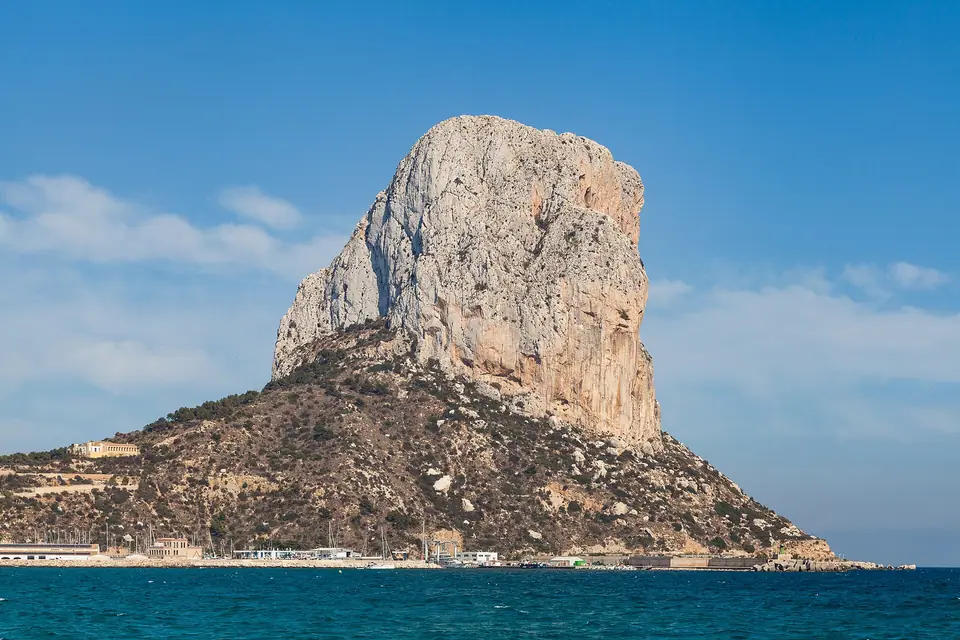
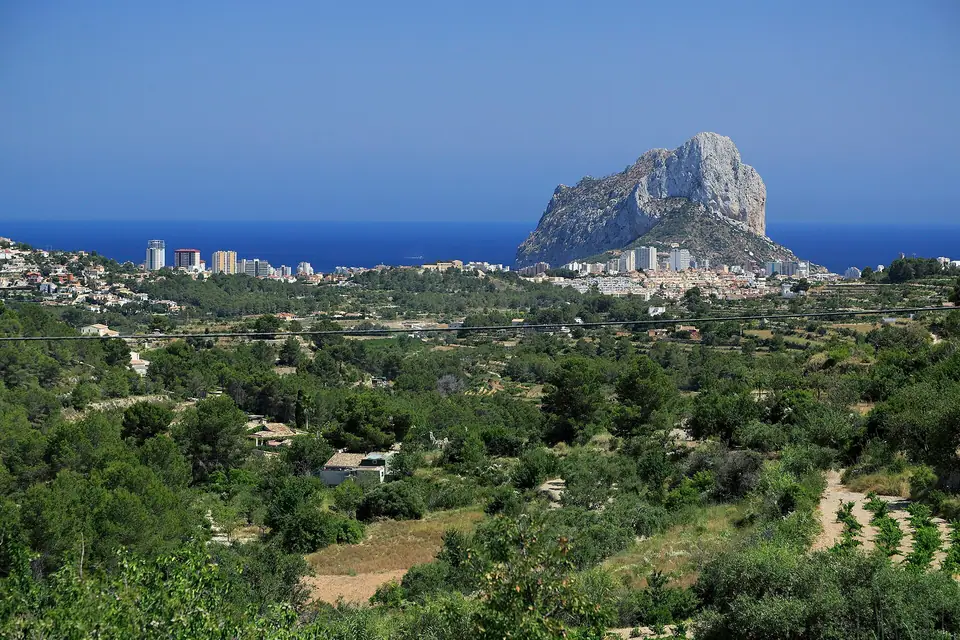
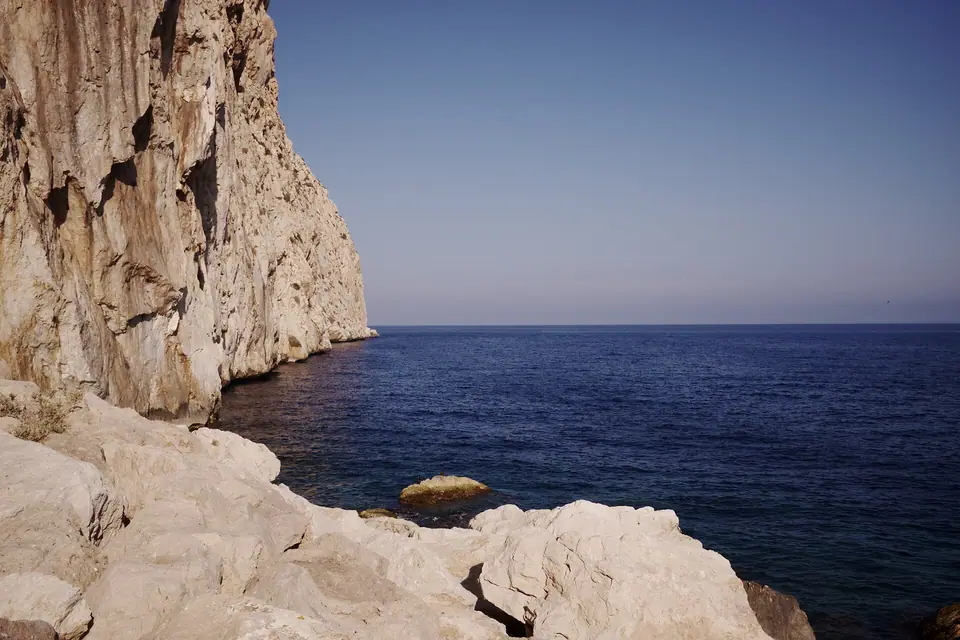
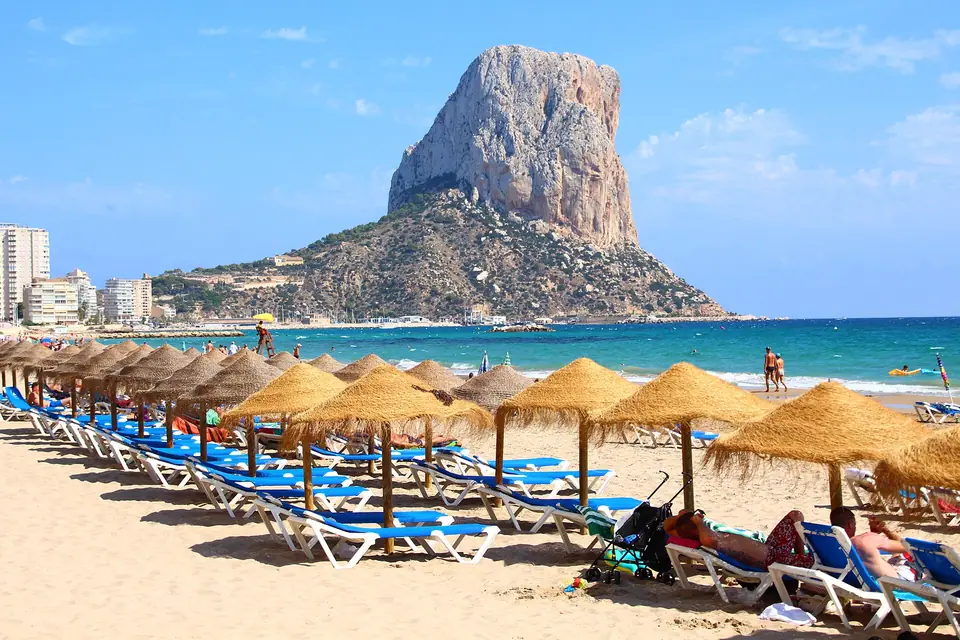
1. Peñón de Ifach (Calpe). The 332 m rock is the symbol of the coast. The route to the top goes through a tunnel cut into the rock and ends with fixed ropes; you must book because daily numbers are limited (one source mentions a quota of 300 and booking up to 10 days ahead). If you would rather not climb, a boat from Calpe harbour sails round it from €13 (the operator's minimum price, which varies by season). In town, the Baños de la Reina are a Roman site with a free guided visit run by the council, requested at the tourist offices.
2. Dénia castle and the Montgó. The castle houses the municipal archaeological museum; in 2026 entry is €3 according to a maps website (not confirmed on the council site) and it closes on 25 Dec, 1 Jan, 19 Mar and 1 May. From there you can see the Montgó (753 m), a natural park with waymarked trails from easy to demanding and an interpretation centre at the Bosc de Diana.
3. Cova Tallada. This is a sea cave inside the Montgó park. On the boat from Dénia (from €14, about 90 minutes) you pass close and stop for a swim, but the operator says you do not go inside. On foot you climb down the rocks with a chain, only in calm seas, and in high season numbers are limited and you must book; confirm exact dates on the park's website.
4. Cueva de las Calaveras (Benidoleig). A dry gallery of over 400 m, of which about 300 m is walked, with information panels. It takes 45-60 minutes and opens every day; sources give slightly different prices (€4.50 or €4.90) and winter closing at 18:00.
Generalitat Valenciana (Parques Naturales)
Peñón de Ifach: summit trail
A roughly 4.6 km climb up the Costa Blanca's emblem, with a tunnel and a final roped section.
Boat trip around the Peñón de Ifach from Calpe
Sailing from Calpe harbour to see the Peñón de Ifach from the sea, with an option guided by a natural-park guide.
Baños de la Reina in Calpe and the free guided visit
Remains of Roman fish farms by the seafront, with free guided visits run by the council.
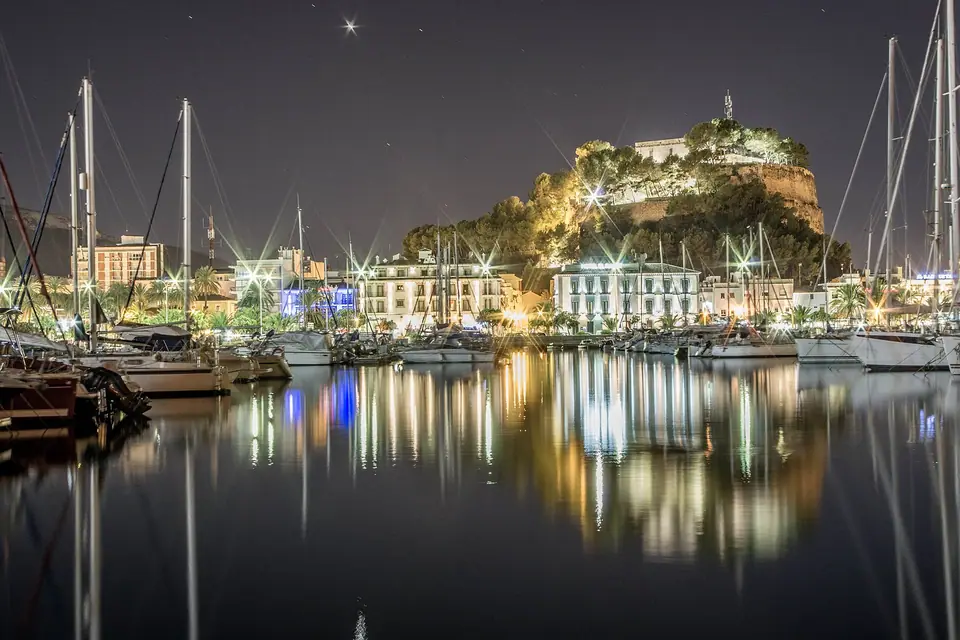
Dénia Castle and Archaeological Museum
A fortress above the town with the Municipal Archaeological Museum, harbour views and a guided visit included in the ticket.
Google says closed on Saturdays and Sundays
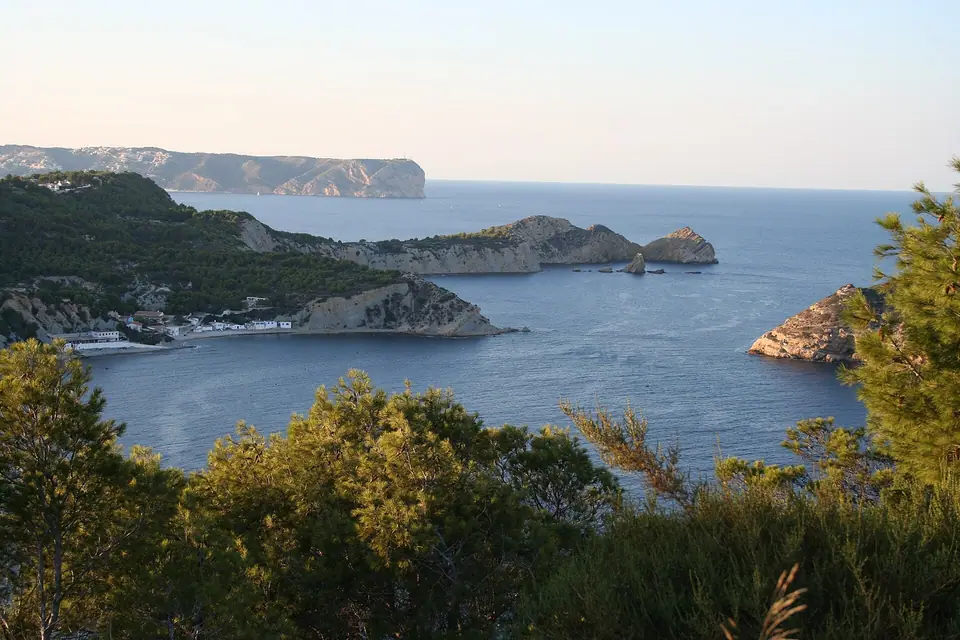
Generalitat Valenciana (Parques Naturales)
Montgó Natural Park and Cabo de San Antonio
A ridge between Dénia and Jávea with walking routes of varying difficulty out to Cabo de San Antonio.
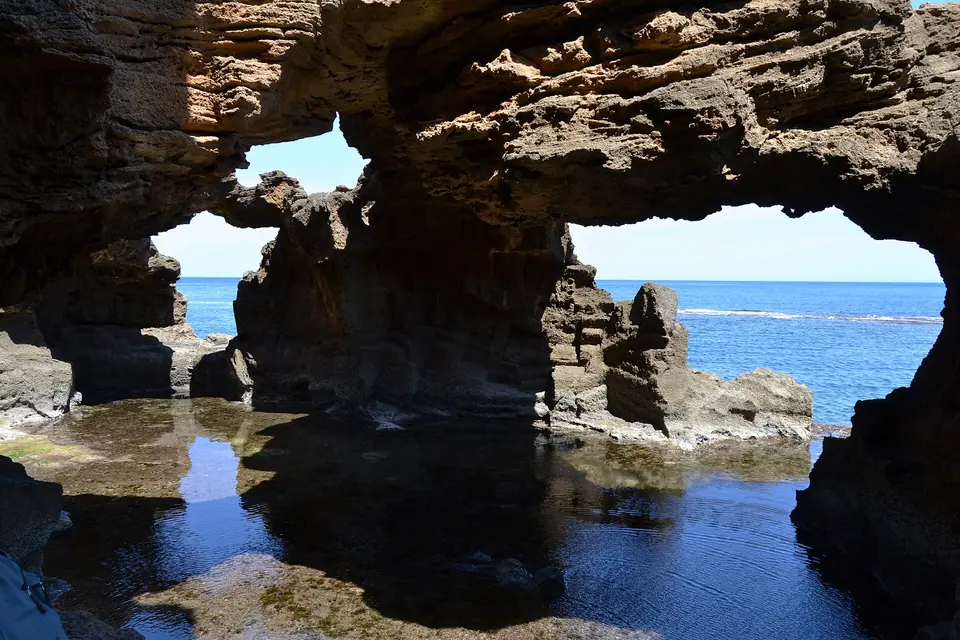
Boat trip from Dénia to Cova Tallada and the marine reserve
A 1.5 hour coastal trip from Dénia to Cova Tallada and the Cap de Sant Antoni marine reserve, with a swim stop.
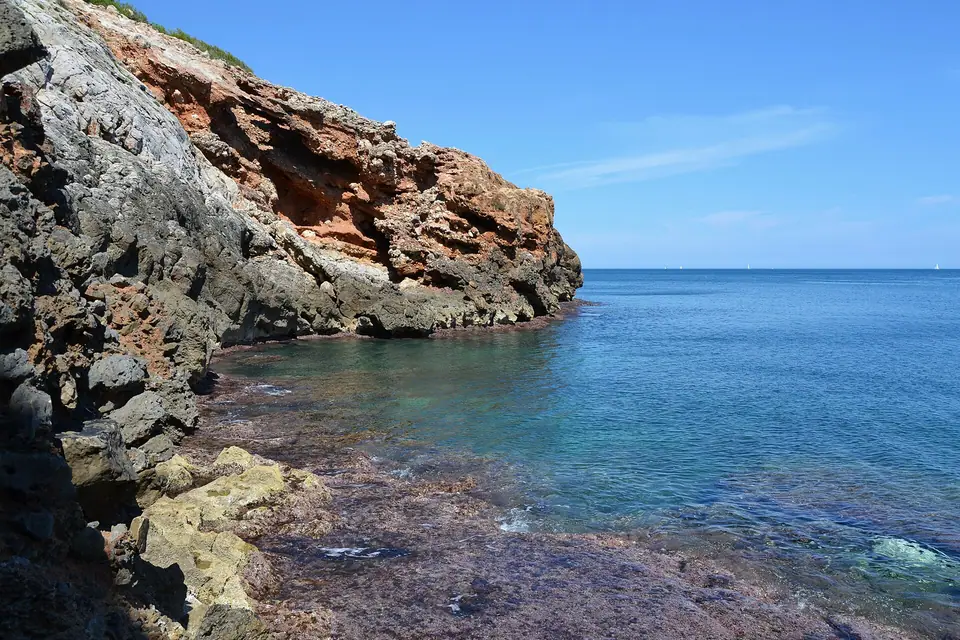
Generalitat Valenciana (Parques Naturales)
Cova Tallada: access with booking
A sea cave at Cabo de San Antonio; in high season access is capped and needs a booking.
Cueva de las Calaveras
A cave at Benidoleig with a walkable route of about 300-400 m, open every day.
Marina Baixa: Altea, Guadalest, Algar and Benidorm
5. Altea old town. You climb white lanes to the square of the church of Nuestra Señora del Consuelo (free entry according to one guide), with the Cronistas de España viewpoint and the Portal Vell. It is a free stroll of an hour or two; there are no official opening times.
6. Guadalest. A village of 284 residents at about 600 m, a historic-artistic site since 1974. You enter San José castle through Casa Orduña, and the village has several small museums. The guided visit quoted by the Valencian tourism site costs €10 and covers the castle and village; there are no separate museum prices.
7. Les Fonts de l'Algar. A walk of about 45 minutes beside the river, with walkways, steps and pools for swimming. It is open all year; tickets are bought online at least 24 hours ahead or at the box office until capacity is reached, and in July and August the visit is split into three sessions. The adult price is not in the sources we read.
8. Benidorm. Beyond the beaches, the Balcón del Mediterráneo on the old-town headland looks over both beaches at once, and the Serra Gelada lets you walk with views of Benidorm island. We have put it all in a separate guide on things to do in Benidorm.
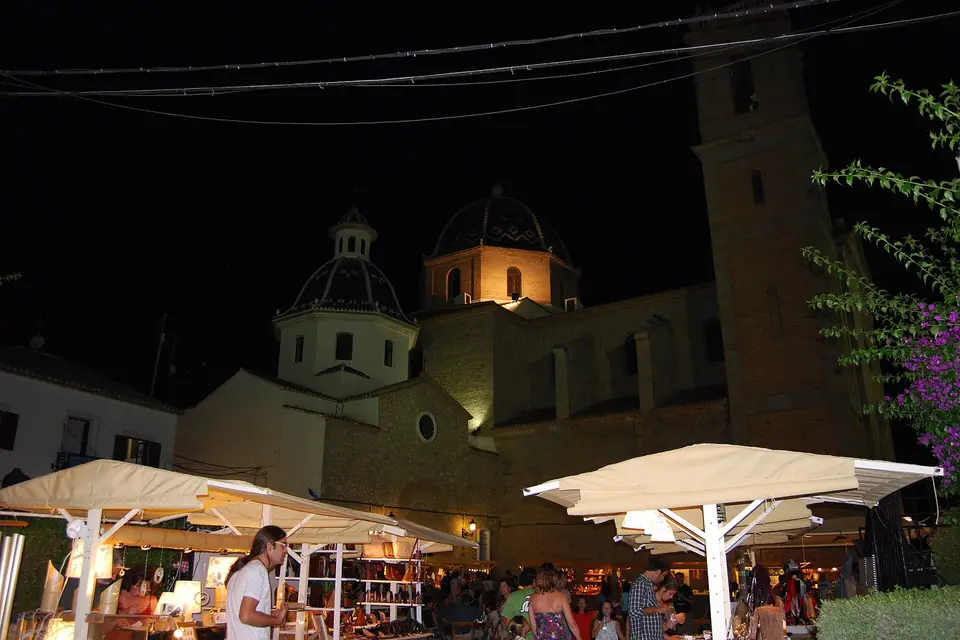
Altea old town and the blue-domed church
A free stroll through whitewashed lanes up to Our Lady of Consolation church, with viewpoints.
Google says closed on Saturdays and Sundays
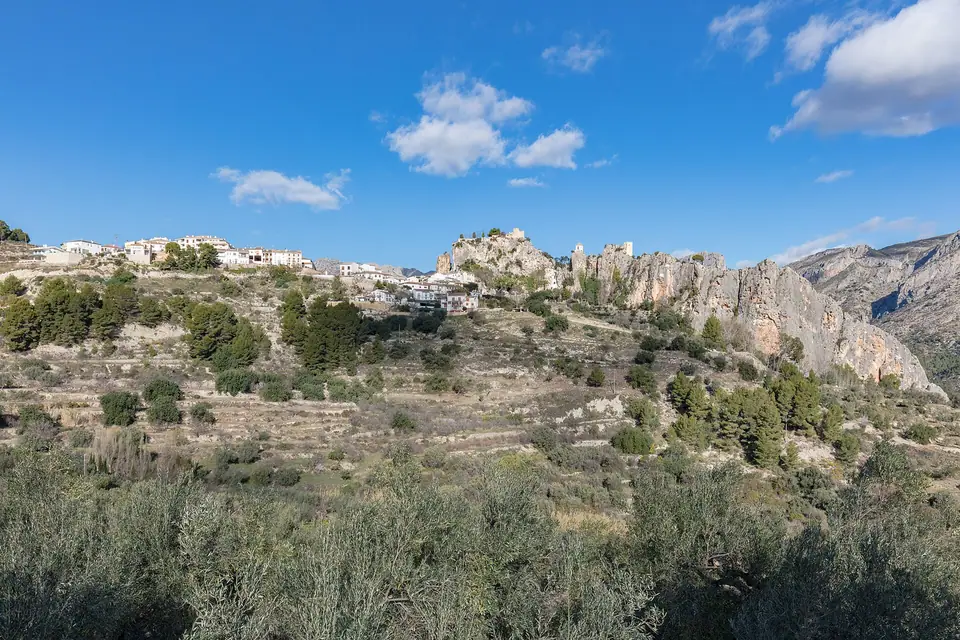
Ajuntament d'El Castell de Guadalest
Guadalest: San José castle and village
A village perched on a rock, with the ruins of San José castle and several small museums.
Google says closed on Saturdays and Sundays
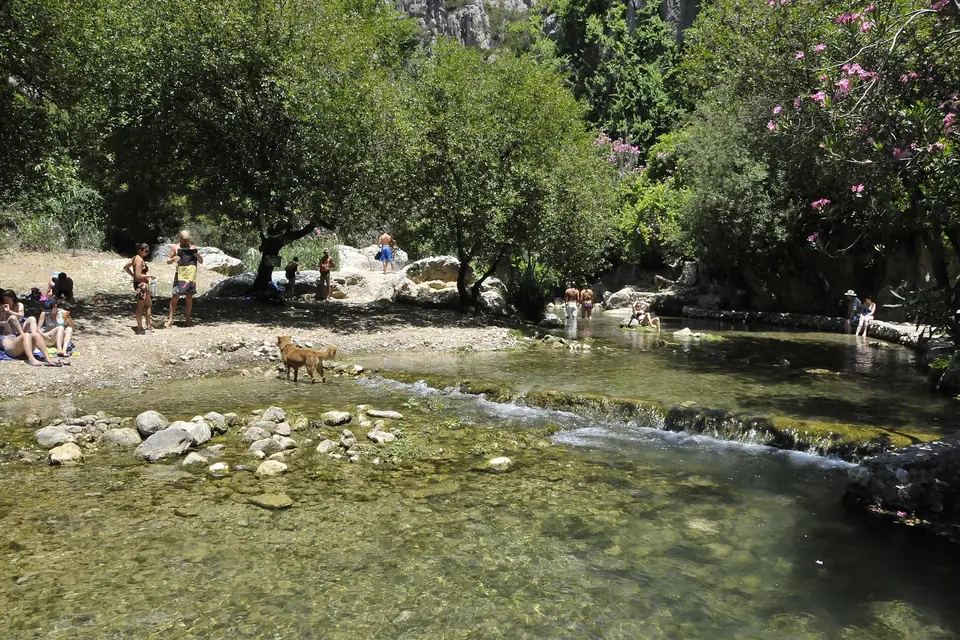
Ajuntament de Callosa d'en Sarrià (Les Fonts de l'Algar)
Les Fonts de l'Algar: waterfalls and natural pools
A walking circuit beside the River Algar with waterfalls and pools, near Callosa d'en Sarrià.
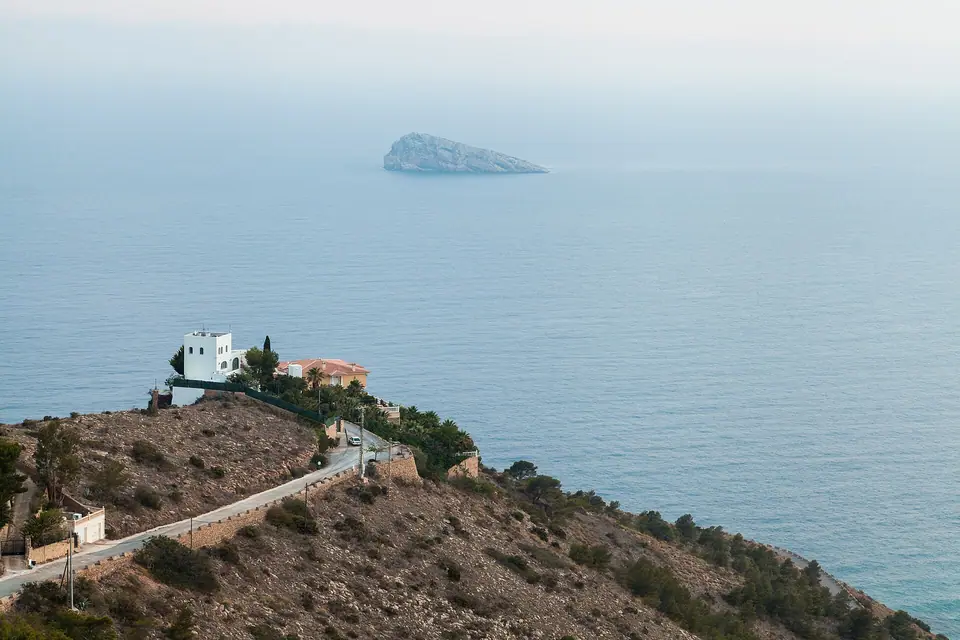
Excursiones Marítimas Benidorm
Boat trip to Benidorm Island
A crossing of about 30 minutes from Benidorm harbour to the island, with time ashore and, on one boat, underwater viewing.
Google says closed on Wednesdays and Sundays
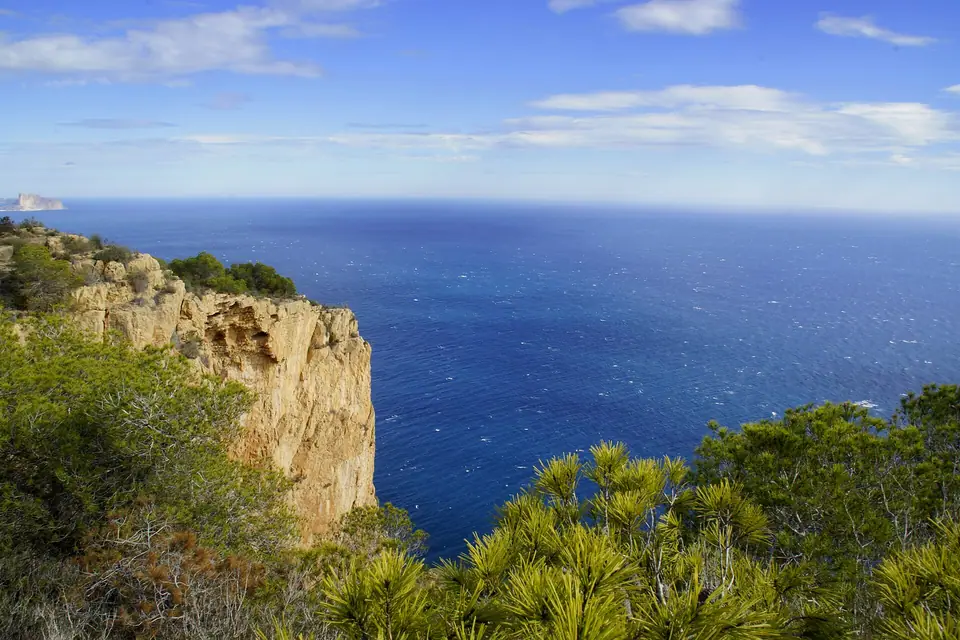
Generalitat Valenciana (Parques Naturales)
Serra Gelada: Albir Lighthouse walk
A coastal walk to the lighthouse inside the Serra Gelada Natural Park, no booking needed.
Alicante and Tabarca: castle, museum, cave and island
9. Santa Bárbara castle. It dominates Alicante from Mount Benacantil (169 m) and dates back to the ninth century. The council website says entry to the site and the MUSA museum is free; you go up on foot, by shuttle minibus (€1.50 each way) or by lift from the Postiguet, whose price varies by source. Opening hours change by season.
10. MARQ. The province's archaeological museum opens Tuesday to Saturday 10:00-19:00 and Sundays and holidays 10:00-14:00; it is closed on Mondays. The general ticket is €6 (€3 on Sundays and holidays) as of November 2026.
11. Canelobre caves (Busot). A huge vaulted chamber at a constant 18 °C or so. Third-party guides give €9 for adults, and the opening times listed are old, so call ahead (tel. 615 17 14 85).
12. Tabarca island. The only inhabited island in the Valencian Community is 1,850 m long, has about 60 residents and an eighteenth-century walled village; its sea has been a protected reserve since 1986. Catamarans sail from Alicante (€24 return according to the operator) or from Santa Pola (the shortest crossing, about 25 minutes, from €15 on the winter fare until 31/01/2027). We have a full guide to the island.
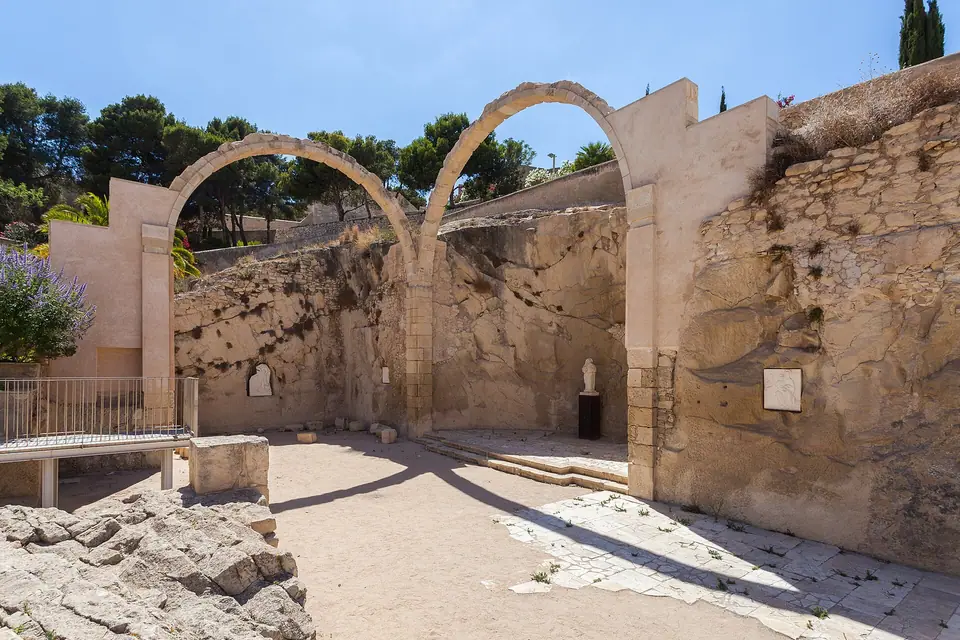
Ajuntament d'Alacant / Ayuntamiento de Alicante
Santa Bárbara Castle and the Postiguet lift
The fortress on Mount Benacantil with views over the whole bay, free to enter and reachable by lift from Postiguet beach.
Google says closed on Saturdays and Sundays
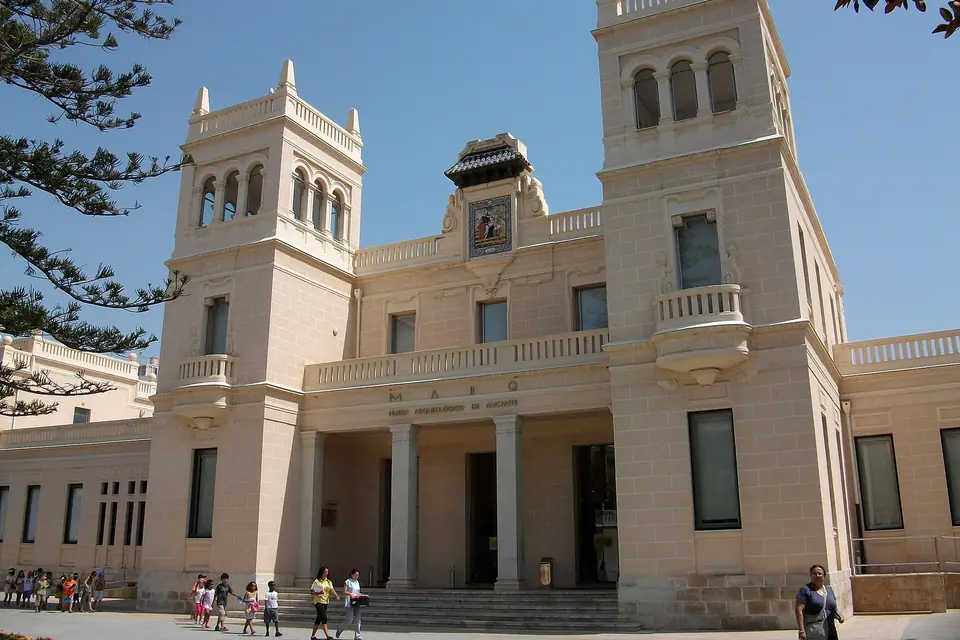
MARQ Archaeological Museum of Alicante
The provincial archaeology museum, with a walk from prehistory to modern times and guided visits in several languages.
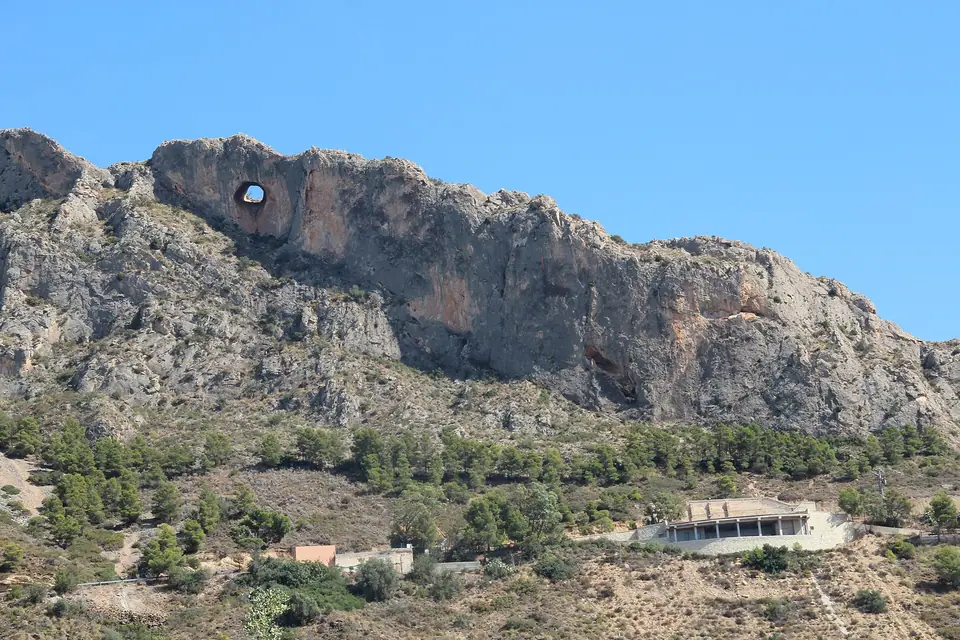
Canelobre Caves
A large cave at Busot with a vast dome and formations; the ticket includes the Ethnic Music Museum.
Google says closed on Mondays
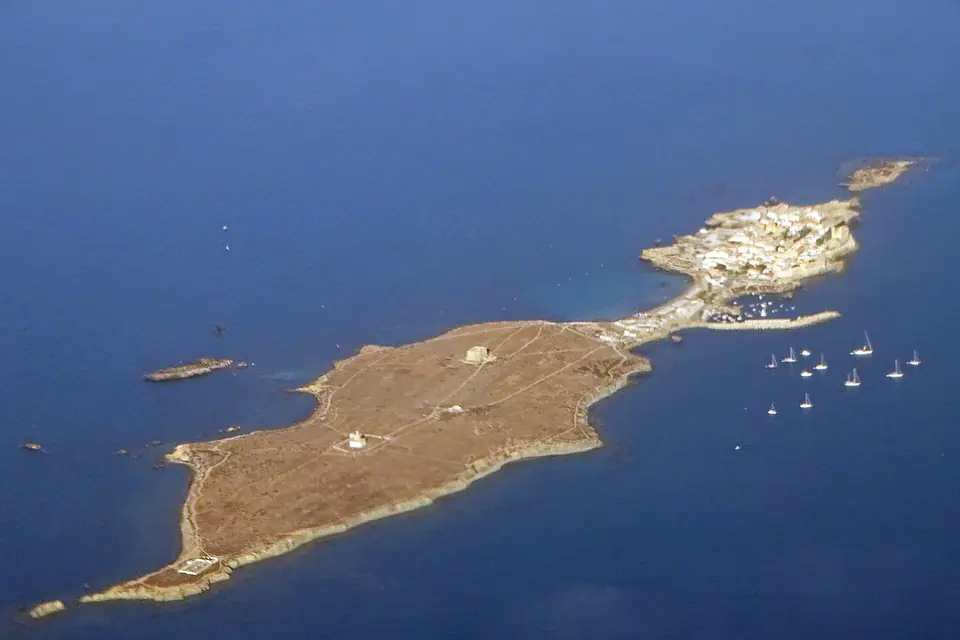
Ferry to Tabarca island from Alicante
Catamaran from Alicante harbour to Tabarca with a return ticket and free time on the island.
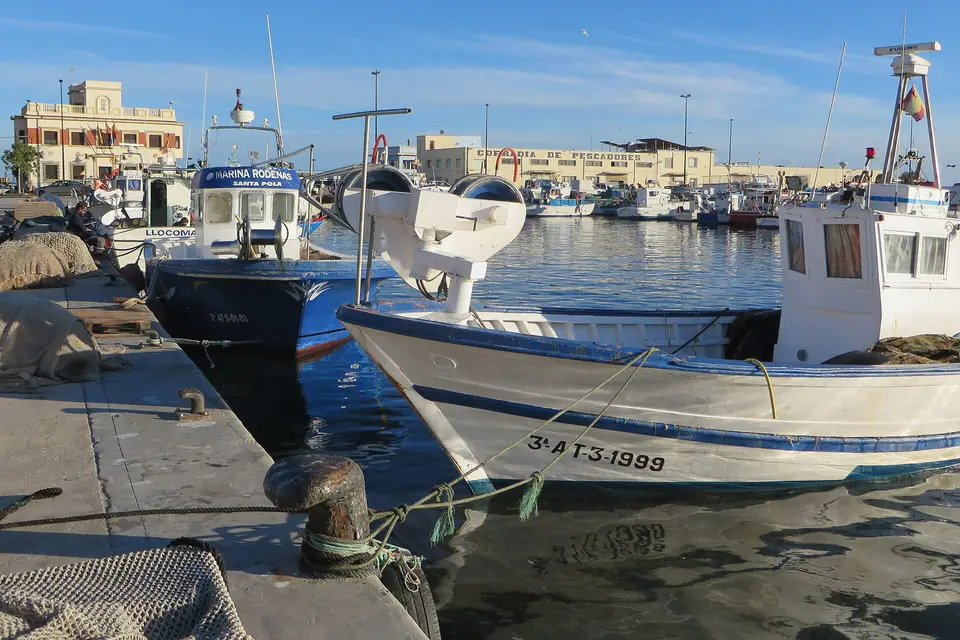
Underwater-viewing catamaran from Santa Pola to Tabarca
A crossing of about 25 minutes on a catamaran with underwater viewing panels and an open ticket to return when you like.
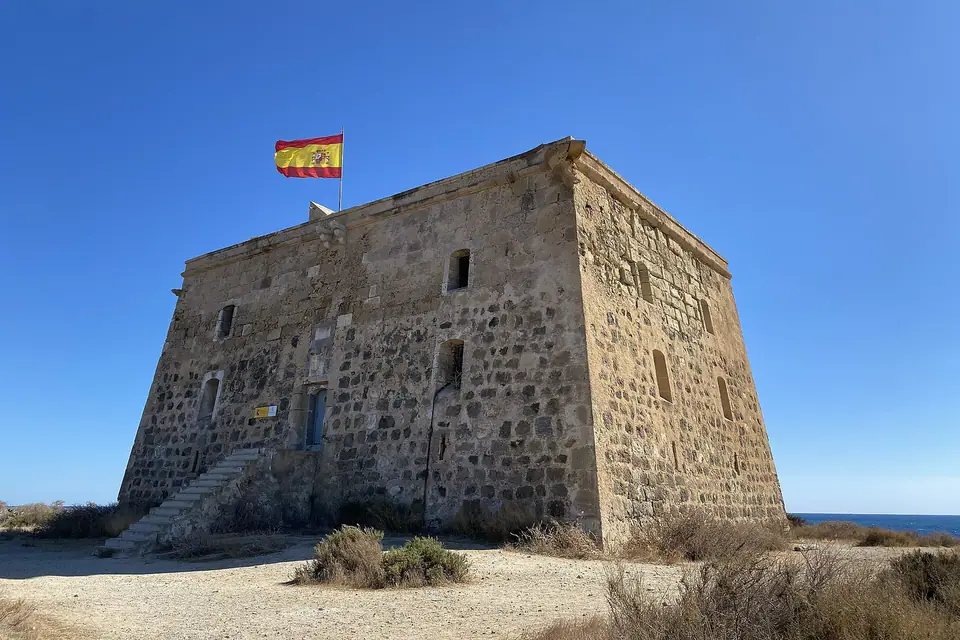
Ajuntament d'Alacant / Ayuntamiento de Alicante
Nueva Tabarca: the walled village and its museum
An eighteenth-century citadel with walls and gates, a church, a tower and a lighthouse, plus a municipal museum by the harbour.
Google says closed on Saturdays and Sundays
Elche and Santa Pola: palm grove and flamingos
13. Elche palm grove. About 500 ha with 200,000 to 300,000 palms, a World Heritage Site since 2000. The Huerto del Cura, the garden with the oldest specimens, takes 30-45 minutes with an audio guide and is open daily; the tourism site gives €6.80 and €7 in different places, so confirm the fare. The Basilica of Santa María hosts the Misteri d'Elx every August, a UNESCO intangible heritage item since 2001.
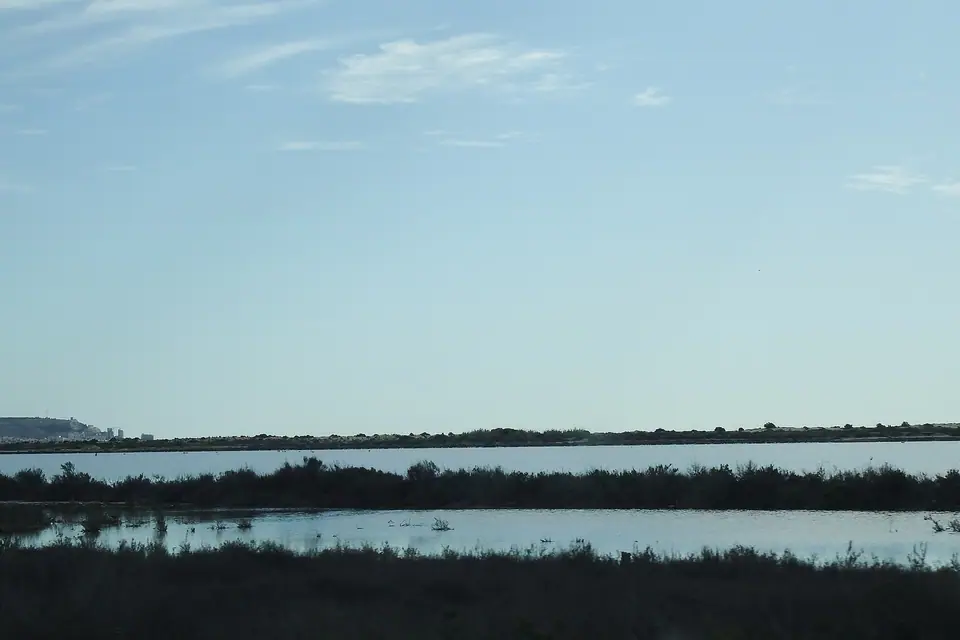
14. Santa Pola salt pans. According to the sources, the park holds gatherings of up to 8,000 flamingos, plus avocets and other birds. There is a guided salt route leaving at 10:00 with binoculars, available all year. We could not confirm the price or hours of the visitor centre, which works as a Salt Museum.
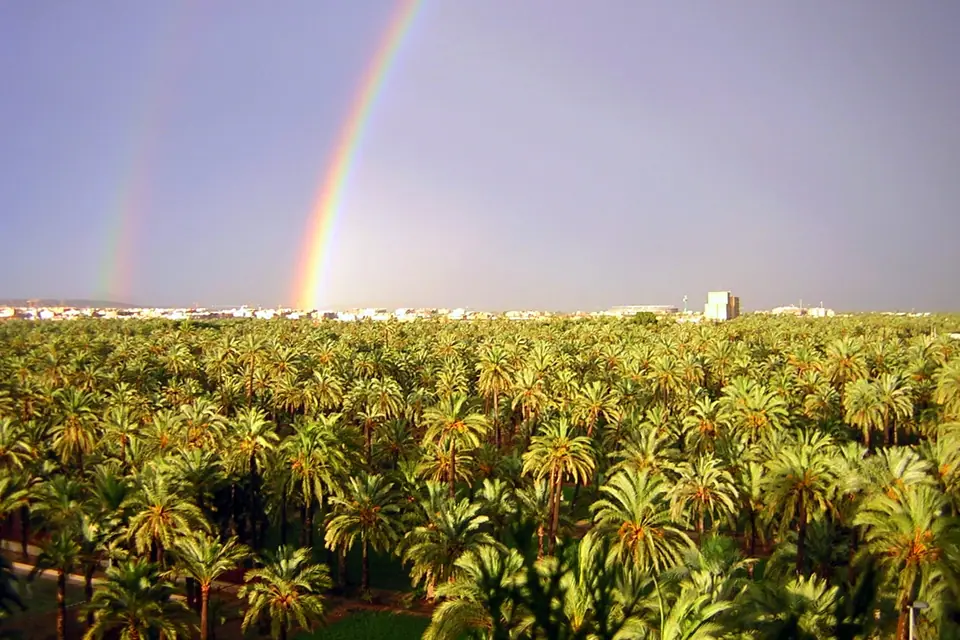
Huerto del Cura Garden (Elche Palmeral)
A historic garden inside the UNESCO World Heritage palm grove, with palms, cacti, an audio guide and the Imperial palm.
Basílica de Santa María de Elche
Santa María Basilica in Elche and the Misteri d'Elx
A Baroque basilica, stage of the Misteri d'Elx (UNESCO intangible heritage), with a guided visit of around 90 minutes and a tower.
Generalitat Valenciana (Parques Naturales)
Santa Pola Salt Pans: flamingos and salt route
A wetland natural park near Santa Pola, with flamingos and a visitor centre at the Salt Museum.
When to go and how to combine places
According to AEMET's normal values for Alicante (1981-2010), average highs run from 17.0 °C in January to 30.8 °C in August, with about 181 hours of sunshine in January and 330 in July. The sea, per NOAA's climatology (1991-2020) off the coast, is 14.1 °C in February and reaches 26.1 °C in August. These are Alicante figures, so inland spots (Guadalest, Canelobre) can differ.
To combine places without a car, the simplest is one area per day: Calpe and Dénia, or Altea and Guadalest, or Alicante with Tabarca. Caves and museums work well on rainy days, which are few according to AEMET (from 0.6 in July to 4.5 in October). Prices and opening times change every season: check the operator's website before you go.
Frequently asked questions
What are the top things to see on the Costa Blanca?
It depends on the area: the Peñón de Ifach in Calpe, Santa Bárbara castle in Alicante, Altea old town, Guadalest, the Elche palm grove and Tabarca island are the places that appear most in the official tourism sources.
How many days do you need for the Costa Blanca?
With 4 or 5 days you can do one area a day: Marina Alta, Marina Baixa, Alicante with Tabarca, and Elche with Santa Pola. With less time, pick a single area.
Can you visit the Costa Blanca in winter?
Yes: according to AEMET, average highs in Alicante are 17.0 to 17.7 °C from December to February and rainy days are few. Castles, museums, caves and the palm grove stay open, although the sea is around 14-16 °C and some boat trips and water parks stop.
Can you see the Costa Blanca without a car?
Partly. The big towns have buses, and the TRAM d'Alacant links Alicante, Villajoyosa, Benidorm and Altea according to our sources. For Guadalest, Algar or Canelobre, an organised tour is simplest; check timetables with ALSA and TRAM.
Can you climb the Peñón de Ifach without booking?
We have not confirmed any entry without a reservation: sources say daily numbers are limited and you must book. Check the natural park's website before you go.
Atlas Costa Blanca editorial team · reviewed on 25 November 2026
More guides
- Things to do in Benidorm: beaches, old town, parks and day trips
- Costa Blanca in winter: weather, what is open and what to do from November to March
- Costa Blanca theme parks: which to choose, when they open and how to combine them
- Tabarca Island: how to get there from Alicante and Santa Pola, what to see and when
- Costa Blanca plans for rainy days
- Costa Blanca with kids: what to do
- Free or budget plans on the Costa Blanca
- Effortless plans on the Costa Blanca