Guide
Costa Blanca in winter: weather, what is open and what to do from November to March
Costa Blanca from November to March: AEMET climate, sea temperature, which parks and boats close, hiking, castles, caves and festivals.
In short
The Costa Blanca does not shut down in winter: according to AEMET average highs run from 17.0 to 20.5 °C and it rains on 3 to 4 days a month, but the sea drops from 19 to about 14 °C and the water parks close. The Ifach, Montgó and Serra Gelada trails, the castles, museums, Elche's Palmeral, the caves and the inland villages all carry on. Always confirm low-season hours.
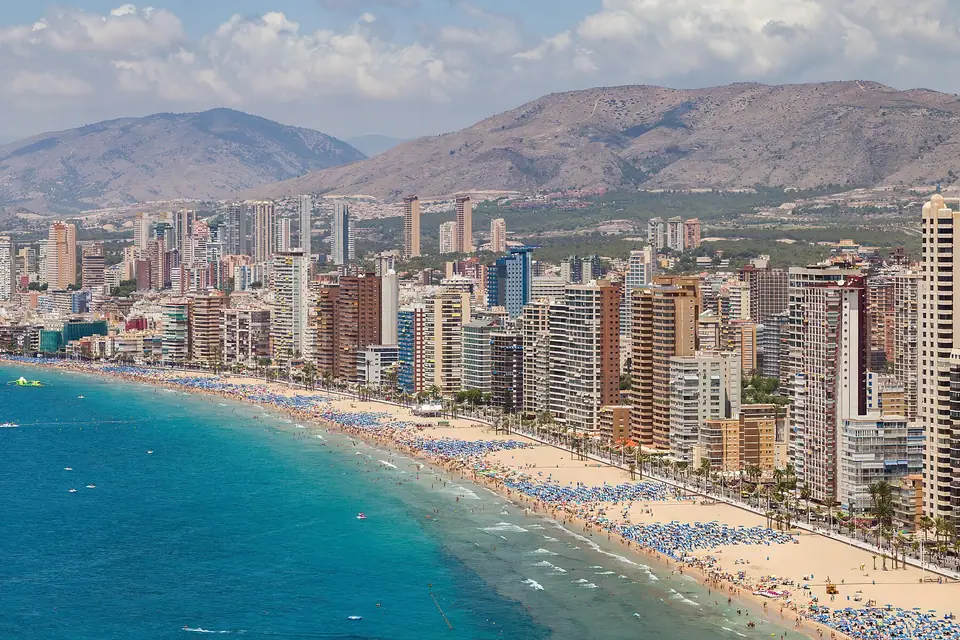
For decades, part of northern Europe has spent the winter on the Costa Blanca, above all in Benidorm and around it: sun and walks at 17 to 20 °C while it is cold at home. It is a mild winter, not a summer: the sea is cold, it gets dark around 17:45 and there are rainy days. The offer changes, but it does not disappear.
This guide brings together the AEMET and NOAA data we have gathered, what is open and closed according to the sources we checked, which plans work from November to March and the dated festivals. Low-season hours change often, so confirm before you go.
Ready to book
- Canelobre Caves and Busot museum from Alicantefrom €55 · 2 h 50 min Book on Musement (opens in a new tab)
- Ferry to Tabarca island from Alicantefrom €24 Book on Civitatis (opens in a new tab)
Some of the links are affiliate links: if you book, we may receive a commission, and it costs you nothing extra. What affiliate links are
Climate and daylight, November to March: what the data says
According to AEMET's normal values for Alicante (1981-2010), the mean temperature is 15.4 °C in November, 12.6 °C in December, 11.7 °C in January, 12.3 °C in February and 14.2 °C in March. Average highs run from 17.0 °C (January) to 20.5 °C (November) and 19.6 °C (March); average lows fall to 6.3 °C in January. It rains on 3.0 to 4.2 days a month (22 to 36 mm), with 164 hours of sun in December, about 180 in January and February and 227 in March.
The sea, per NOAA's climatology (1991-2020) off the Costa Blanca, is 18.9 °C in November, 16.2 °C in December, 14.7 °C in January, 14.1 °C in February and 14.5 °C in March: a short dip in November is possible; for the rest of the winter, you need a wetsuit. Days are short: in mid-month the sun sets at 17:51 in November, 17:43 in December, 18:04 in January, 18:39 in February and 19:08 in March (mainland Spain time, astronomical calculation for Alicante). These are averages over decades, so a given day can be cooler or wetter.
What closes and what stays open: parks and boats
The water parks (Aqualandia and Aqua Natura) close in winter. Terra Mítica and Mundomar open by season: on 22 November 2026 both were closed and 2027 dates were unconfirmed, so check their calendars. From November to March Terra Natura opens only at weekends, on public holidays and over Christmas, and Río Safari near Elche opens daily, 10:00 to 18:00 on weekdays and to 19:00 at weekends. Our theme parks guide has the details.
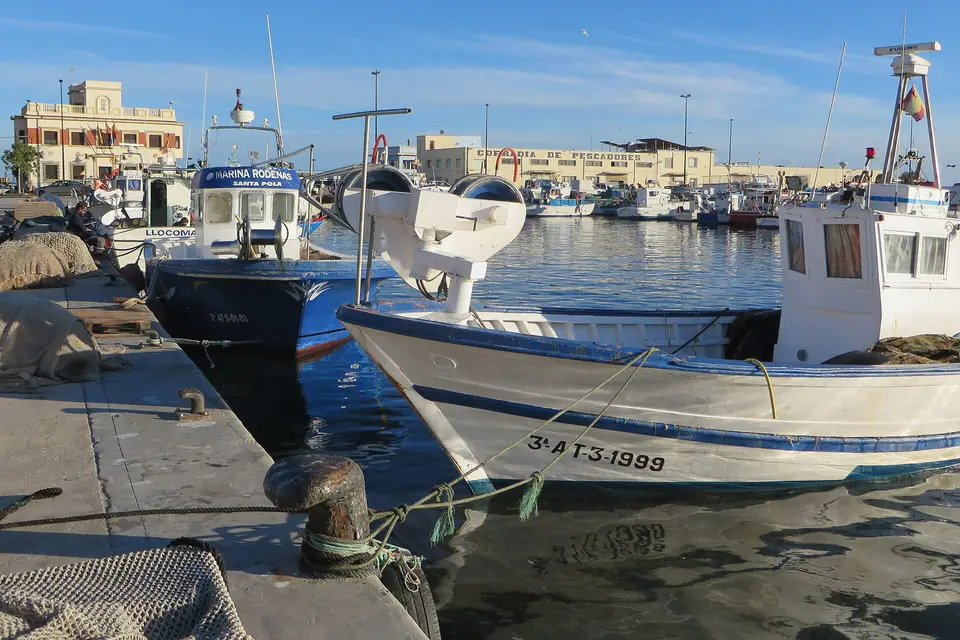
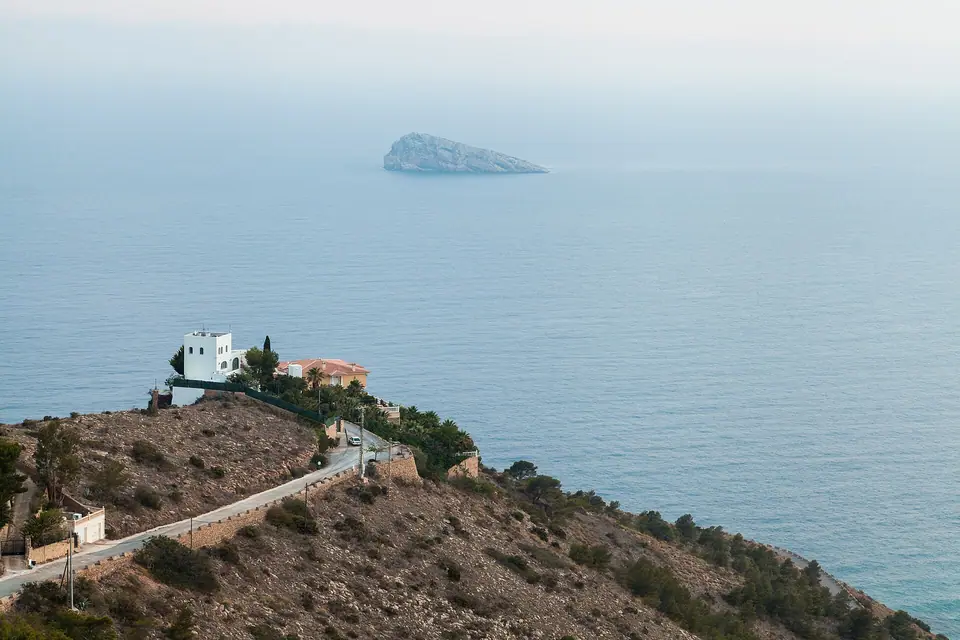
At sea, the boat from Santa Pola to Tabarca keeps running in winter at a lower frequency (winter fare of €15 return for adults, valid until 31 January 2027 per the operator). Access to Benidorm island may be limited from February to June because of nesting birds. The catamaran with lunch from Dénia to Portitxol runs June to September, and the Cova Tallada on foot is open April to October. For other boats from Calpe, Jávea, Dénia or Altea, the websites give no clear calendar, so call or write first. Diving in Calpe and at Tabarca runs all year.
Terra Natura Benidorm: zoo ticket
Benidorm zoo open all year, with reduced winter hours (weekends, holidays and Christmas) from November to March.
Google shows it open on Saturdays and Sundays only
Río Safari Elche: general admission
Zoo-safari between Elche and Santa Pola with animals, sea lion encounters and a kids' area; open daily, winter included.
Underwater-viewing catamaran from Santa Pola to Tabarca
A crossing of about 25 minutes on a catamaran with underwater viewing panels and an open ticket to return when you like.
Excursiones Marítimas Benidorm
Boat trip to Benidorm Island
A crossing of about 30 minutes from Benidorm harbour to the island, with time ashore and, on one boat, underwater viewing.
Google says closed on Wednesdays and Sundays
Catamaran to Portitxol island with lunch and a swim from Dénia
A catamaran day from Dénia to the Portitxol area, with a swim stop and a paella lunch on board.
Google says closed on Mondays and Tuesdays
Introductory scuba dive in Calpe
A first scuba dive with an instructor and full kit in Calpe, about two hours and available all year.
Diving in the Tabarca marine reserve
Guided dives and introductory dives around Tabarca with a Santa Pola centre, all year; the double dive lasts about five hours.
Hiking: Ifach, Montgó and Serra Gelada
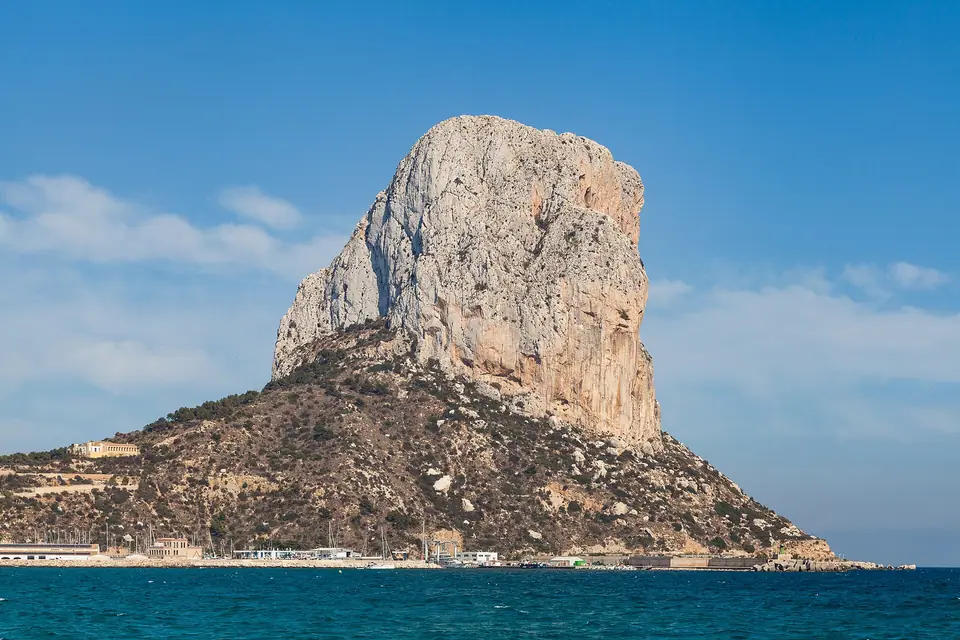
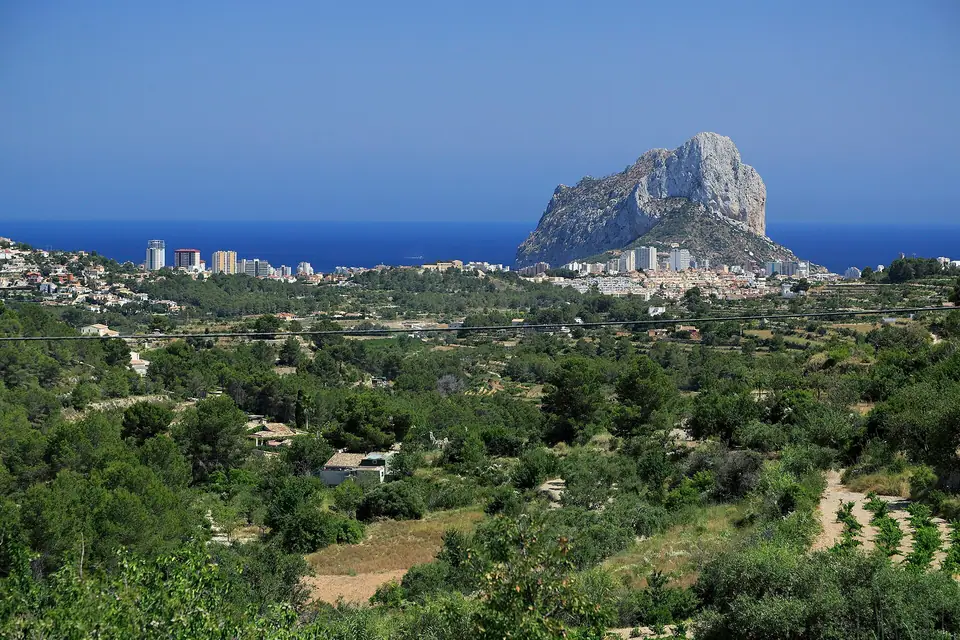
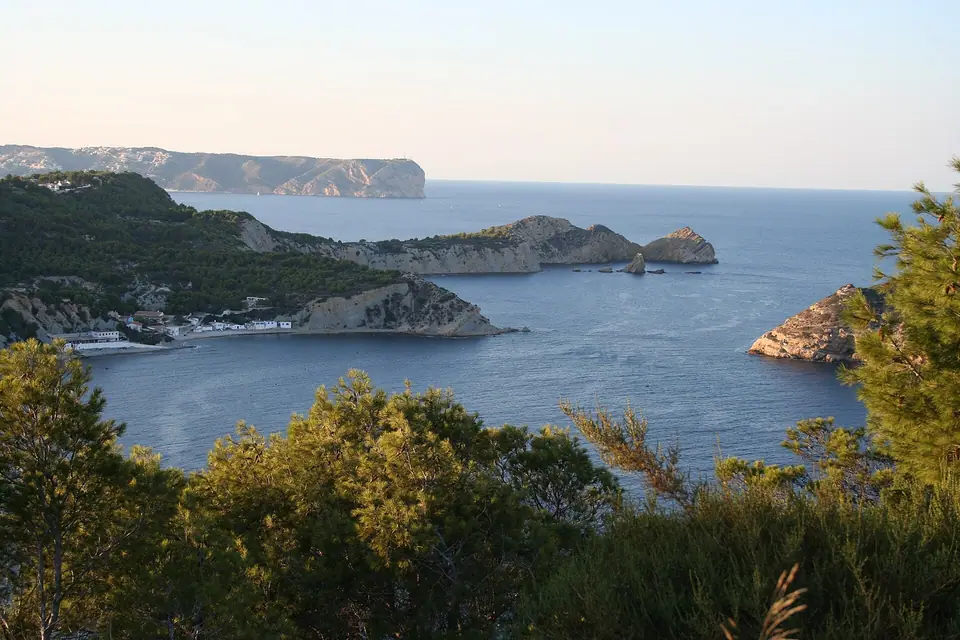
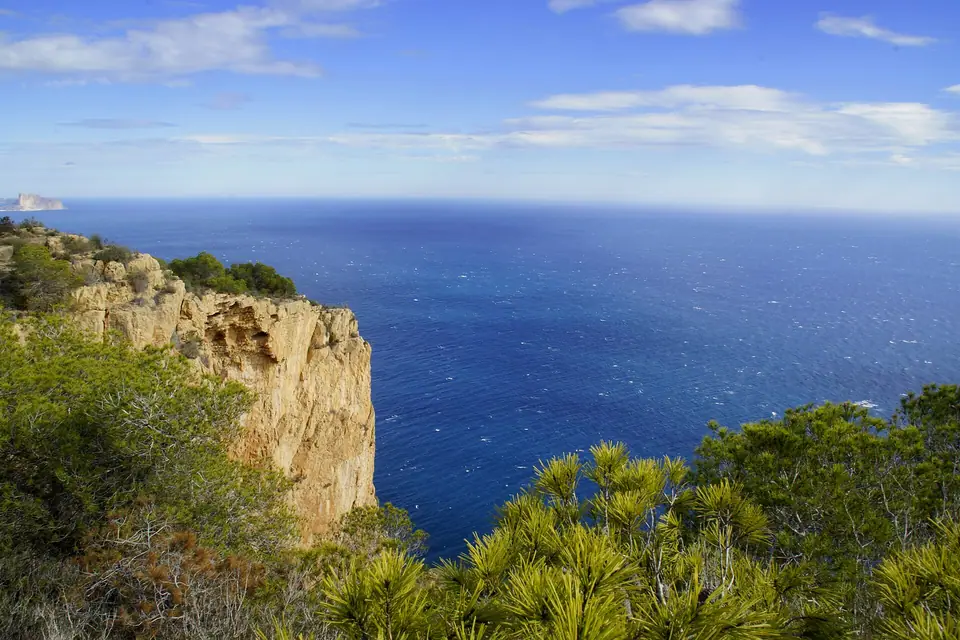
Winter is a good time to walk: with highs of 17 to 20 °C you avoid the heat that makes these routes hard in summer. The Penyal d'Ifac has a route to the summit through a tunnel in the rock, with fixed ropes on the last stretch; you must book because daily numbers are limited. On the Montgó and Cabo de San Antonio there are several waymarked paths of varying difficulty, with the interpretation centre in the Bosc de Diana gardens in Dénia. In the Serra Gelada, the route to the lighthouse from l'Albir starts at the car park by the information point and, per one guide, needs no booking (sources give different lengths, from 2 to about 5 km return). There is also a guided route from the Interpretation Centre, running all year, from €15.
The Puig Campana, in Finestrat, is a long route (about 16.5 km and 1,200 m of ascent per one guide, around 6 hours) or a shorter 11 km loop without the summit. With 9 to 10 hours of daylight in December and January, set off early and be back before dusk.
Generalitat Valenciana (Parques Naturales)
Peñón de Ifach: summit trail
A roughly 4.6 km climb up the Costa Blanca's emblem, with a tunnel and a final roped section.
Generalitat Valenciana (Parques Naturales)
Montgó Natural Park and Cabo de San Antonio
A ridge between Dénia and Jávea with walking routes of varying difficulty out to Cabo de San Antonio.
Generalitat Valenciana (Parques Naturales)
Serra Gelada: Albir Lighthouse walk
A coastal walk to the lighthouse inside the Serra Gelada Natural Park, no booking needed.
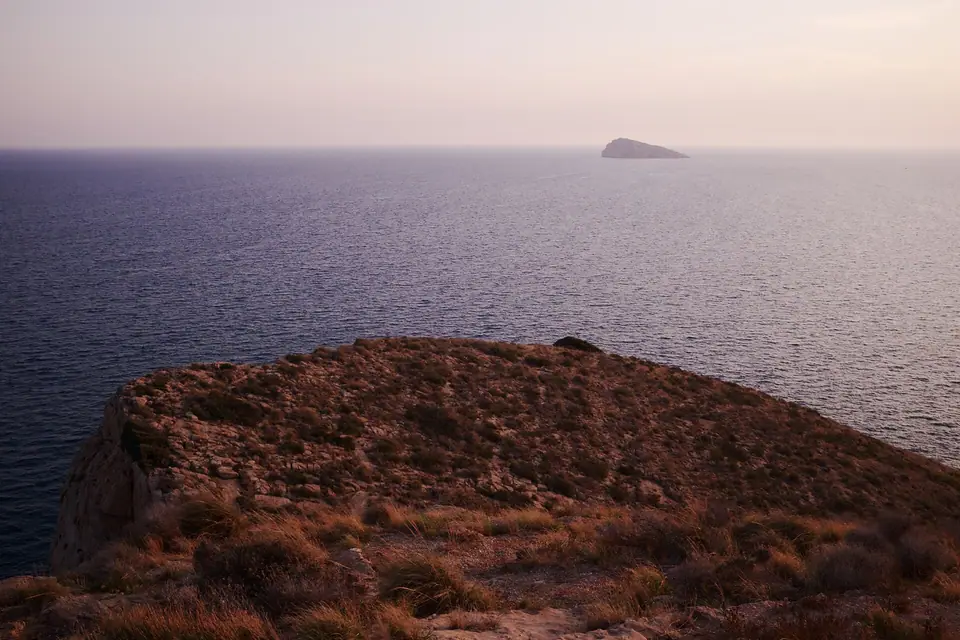
Guided Serra Gelada hike
A guided walk starting at Benidorm's interpretation centre, from 15 EUR per person.
Google says closed on Saturdays and Sundays
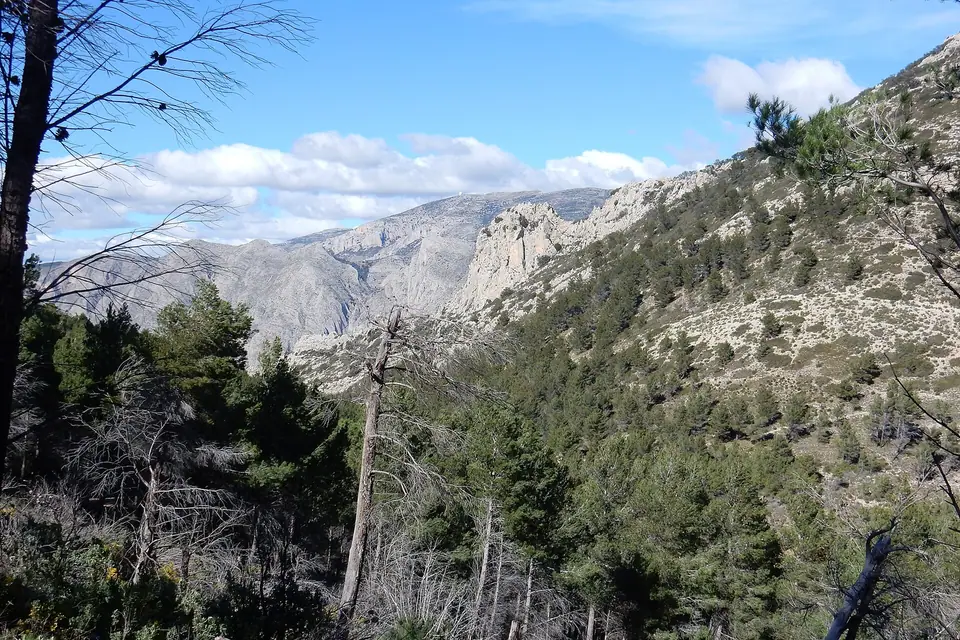
Puig Campana: circular hike from Finestrat
The PR-CV 289 loop of about 16 km from the Font del Molí, with the option to summit.
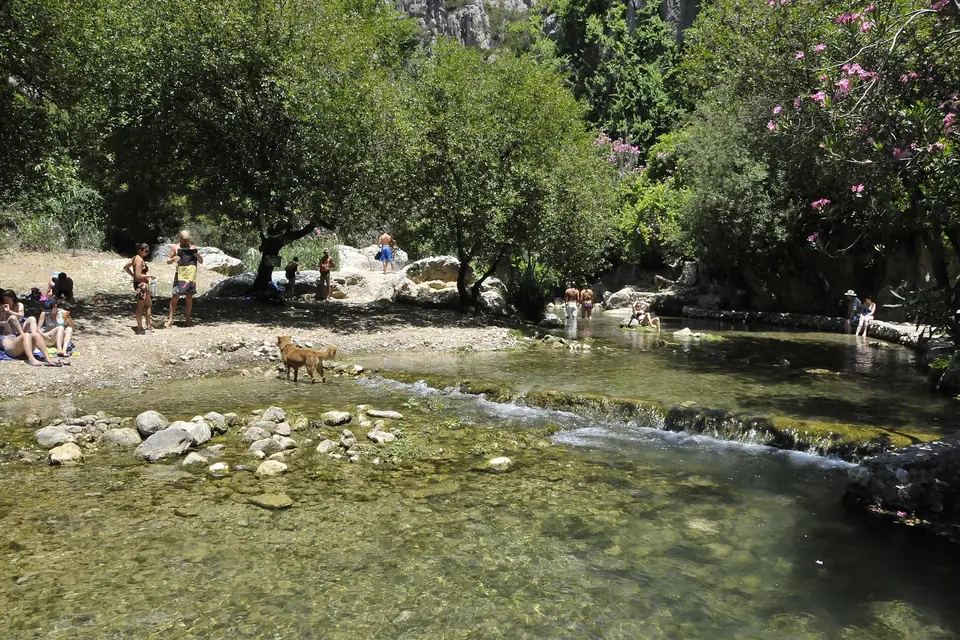
Ajuntament de Callosa d'en Sarrià (Les Fonts de l'Algar)
Les Fonts de l'Algar: waterfalls and natural pools
A walking circuit beside the River Algar with waterfalls and pools, near Callosa d'en Sarrià.
Castles, museums, the Palmeral and Guadalest
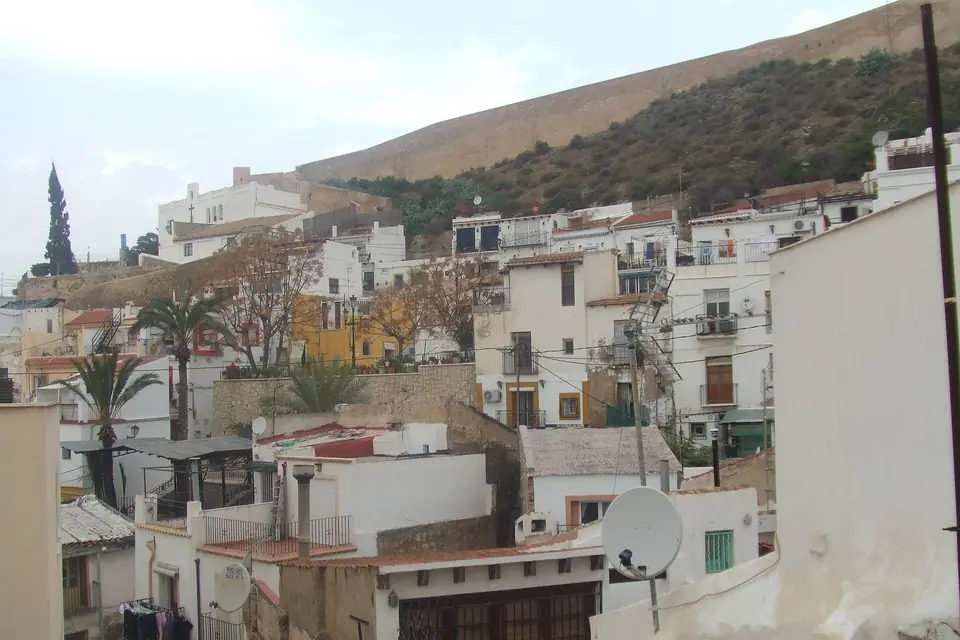
In Alicante, Santa Bárbara Castle is open all year and entry to the grounds and the MUSA museum is free according to the city council (the shuttle minibus costs €1.50 a trip). The MARQ opens Tuesday to Saturday 10:00 to 19:00 and Sundays and public holidays 10:00 to 14:00, with general admission of €6 (€3 on Sundays and holidays) as of November 2026. The MACA is free and opens Tuesday to Saturday 10:00 to 20:00; the Hogueras Museum, also free, Tuesday to Friday 10:00 to 13:30 and 17:00 to 19:30 from September to June.
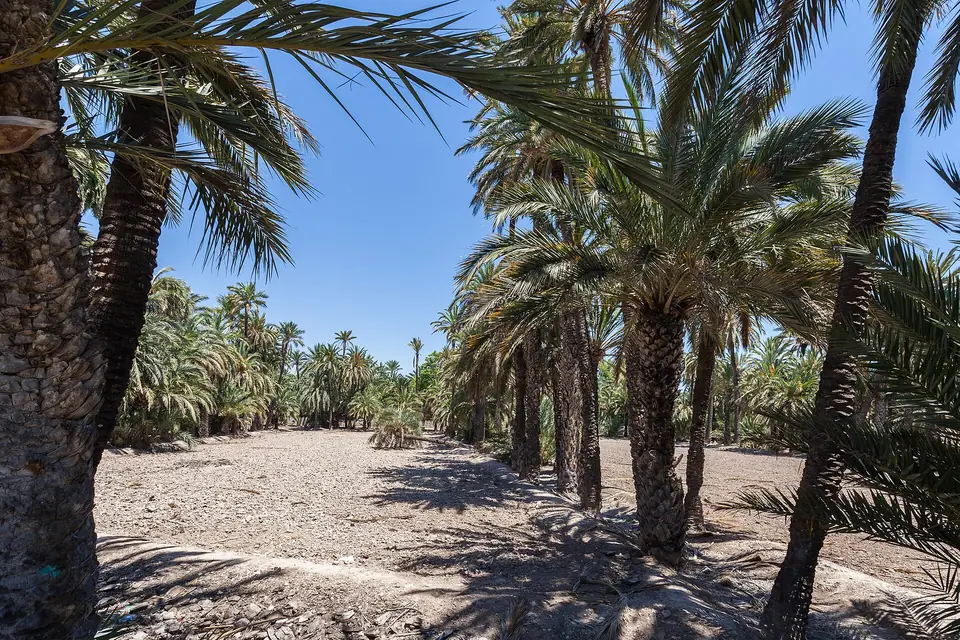
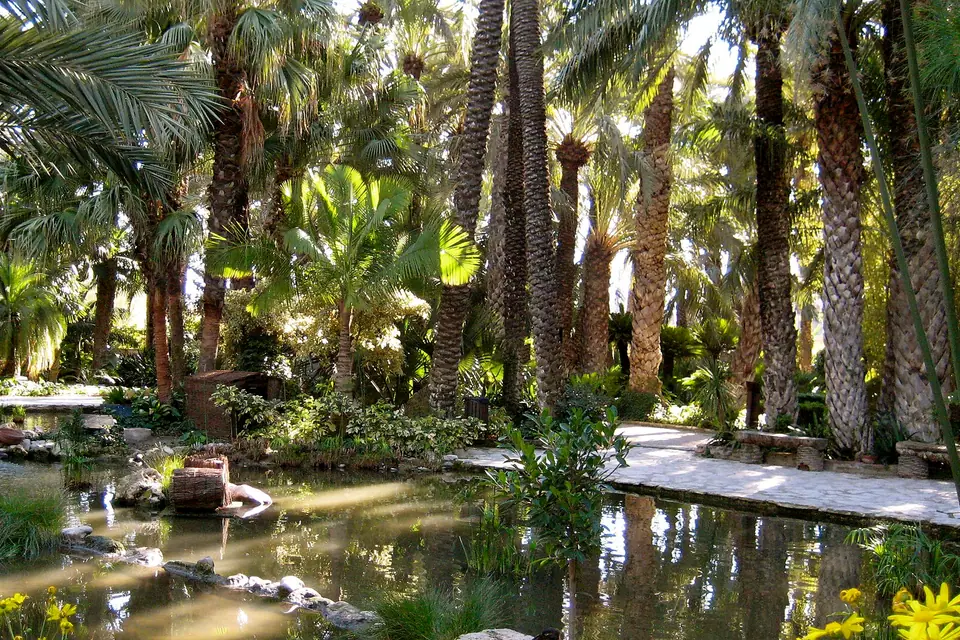
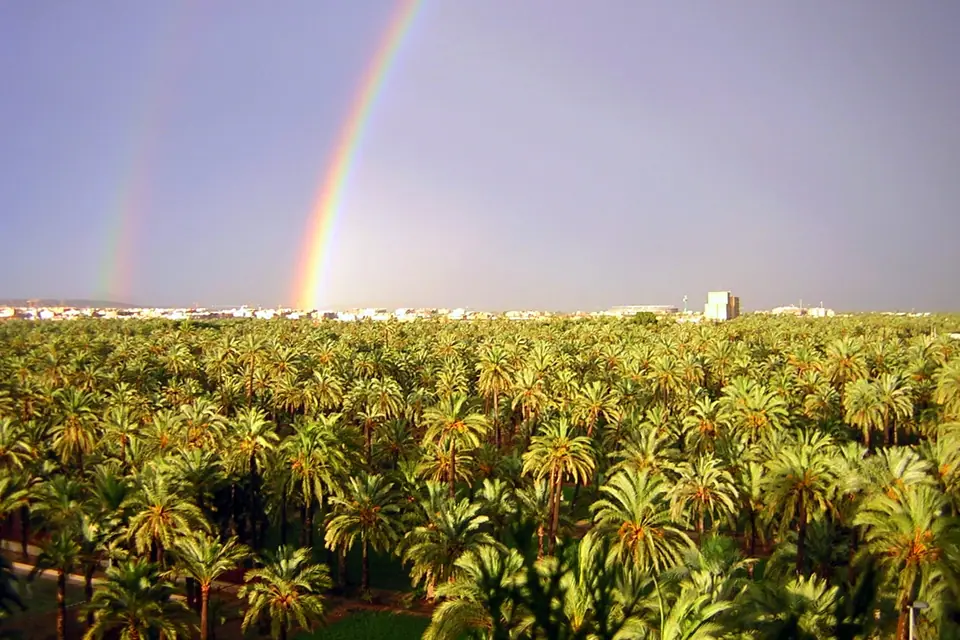
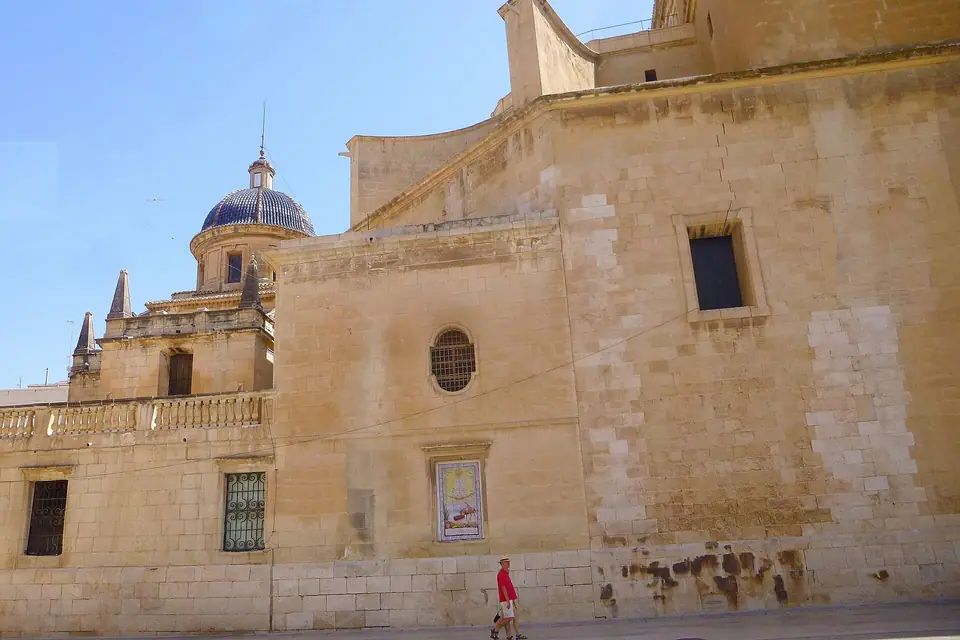
In Elche, the Huerto del Cura, in the heart of the Palmeral, opens daily from 10:00 until sunset and closes on Christmas Day. The museums and Santa María basilica have their own hours, so confirm them. Dénia Castle, with the archaeological museum, costs €3 according to a 2026 source and closes on 25 December, 1 January, 19 March and 1 May. In Guadalest, the guided visit to the castle and village costs €10 according to Valencian tourism; museum hours vary with the season and are best confirmed at the tourist office. In Altea the old town is free to wander, and in winter light it is a good time to photograph it.
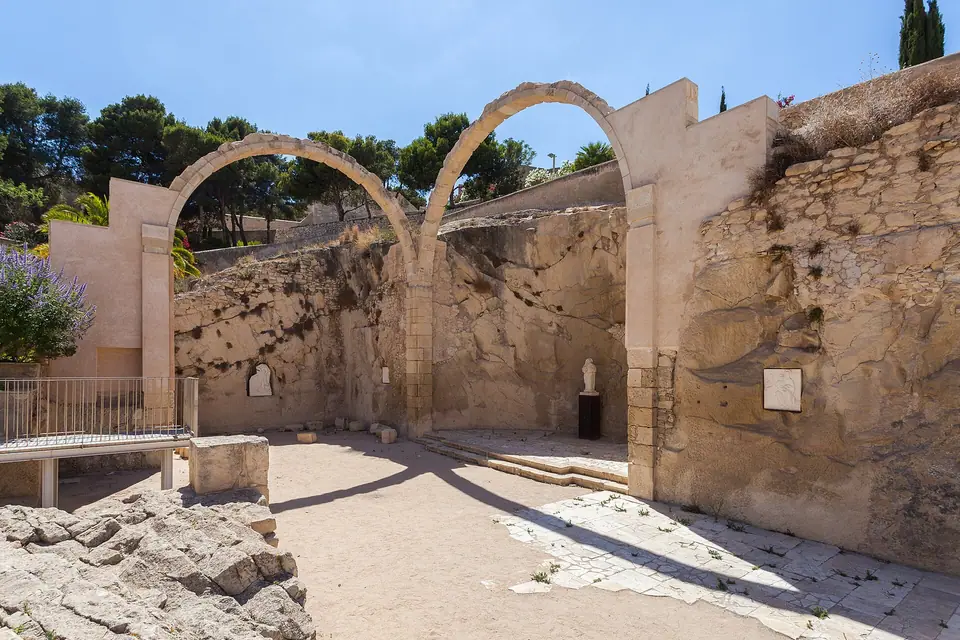
Ajuntament d'Alacant / Ayuntamiento de Alicante
Santa Bárbara Castle and the Postiguet lift
The fortress on Mount Benacantil with views over the whole bay, free to enter and reachable by lift from Postiguet beach.
Google says closed on Saturdays and Sundays
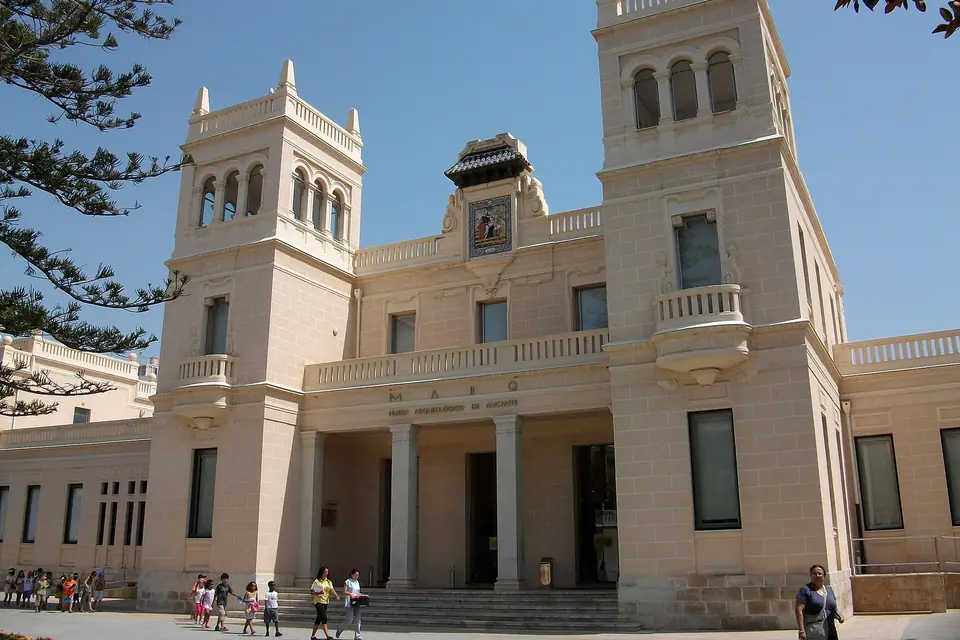
MARQ Archaeological Museum of Alicante
The provincial archaeology museum, with a walk from prehistory to modern times and guided visits in several languages.
Ajuntament d'Alacant / Ayuntamiento de Alicante
MACA, Alicante Museum of Contemporary Art
A free contemporary art museum in the old town, next to Santa María basilica.
Google says closed on Saturdays and Sundays
Ajuntament d'Alacant / Ayuntamiento de Alicante
Alicante Hogueras Museum
A free museum about the Hogueras de San Juan, Alicante's big fire festival, with ninot figures, costumes and posters.
Google says closed on Saturdays and Sundays
Huerto del Cura Garden (Elche Palmeral)
A historic garden inside the UNESCO World Heritage palm grove, with palms, cacti, an audio guide and the Imperial palm.
Ajuntament d'Elx / Ayuntamiento de Elche
Palmeral Museum (Museu del Palmerar)
A museum inside the palm grove explaining traditional palm cultivation and uses, with a garden that is free to enter.
Google says closed on Saturdays and Sundays
Basílica de Santa María de Elche
Santa María Basilica in Elche and the Misteri d'Elx
A Baroque basilica, stage of the Misteri d'Elx (UNESCO intangible heritage), with a guided visit of around 90 minutes and a tower.
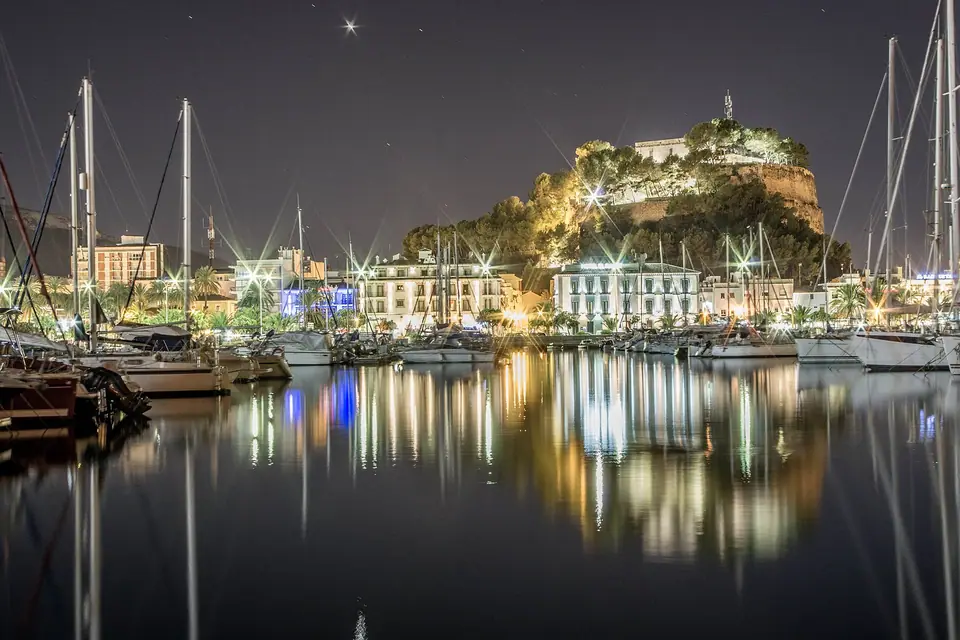
Dénia Castle and Archaeological Museum
A fortress above the town with the Municipal Archaeological Museum, harbour views and a guided visit included in the ticket.
Google says closed on Saturdays and Sundays
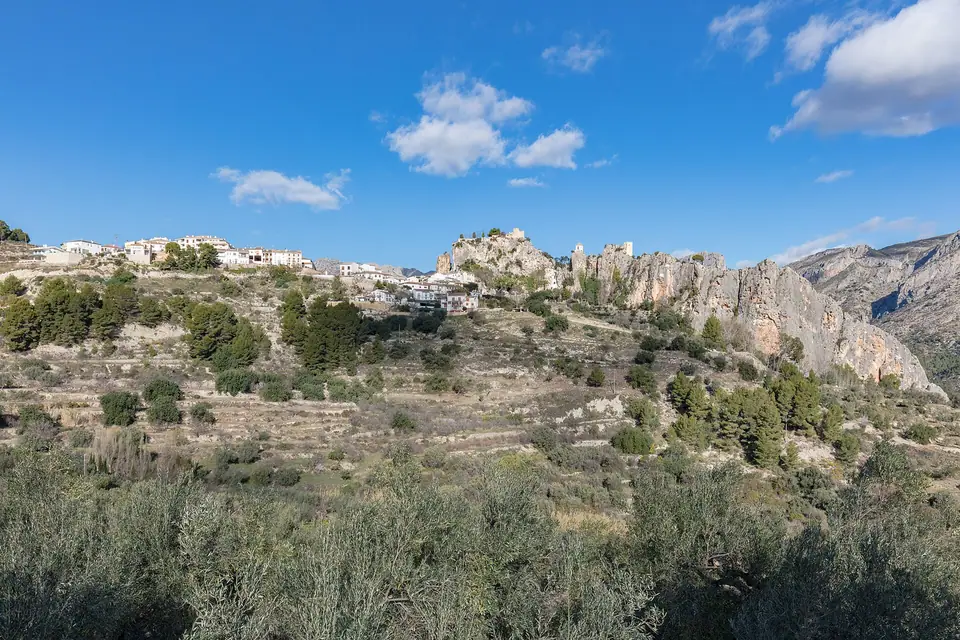
Ajuntament d'El Castell de Guadalest
Guadalest: San José castle and village
A village perched on a rock, with the ruins of San José castle and several small museums.
Google says closed on Saturdays and Sundays
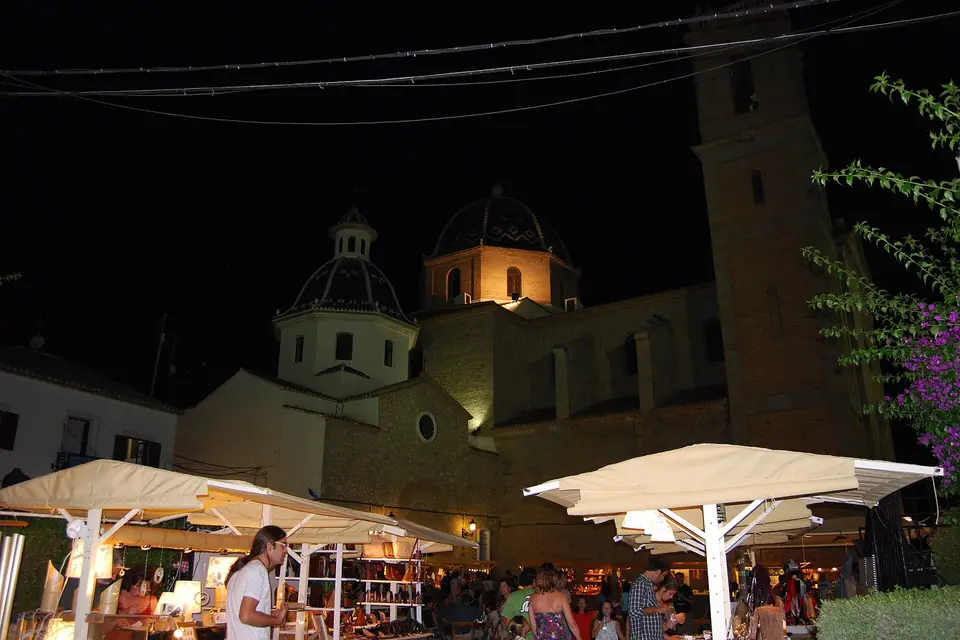
Altea old town and the blue-domed church
A free stroll through whitewashed lanes up to Our Lady of Consolation church, with viewpoints.
Google says closed on Saturdays and Sundays
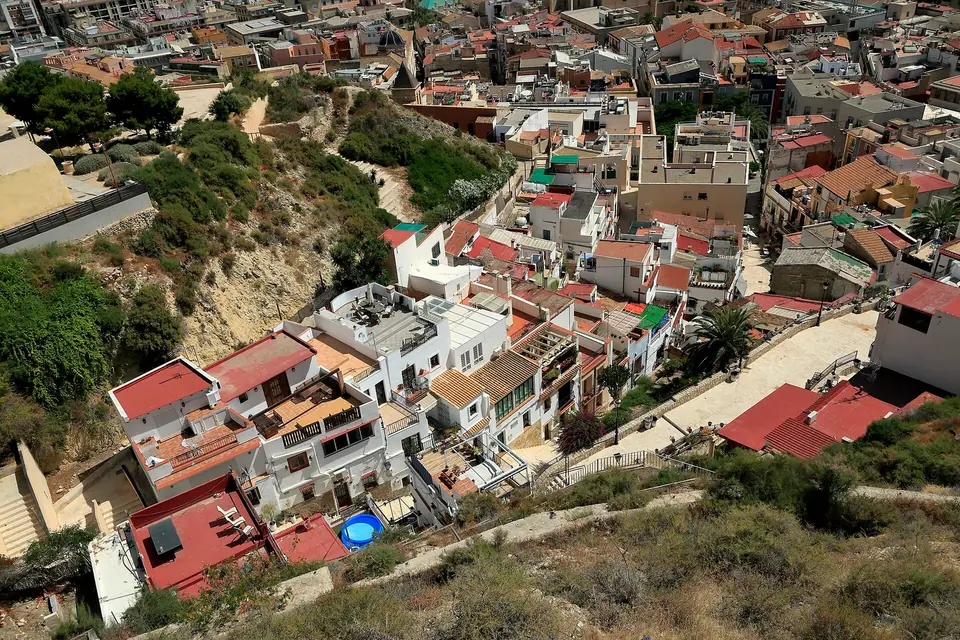
Alicante essential free tour
A guided walk of about 2.5 hours through the old town from the Town Hall square, in English and Spanish, tip-based.
Caves, market, chocolate and wine on rainy days
The Canelobre Cave, in Busot, stays at around 18 °C and opens all year except Mondays according to older sources, so call ahead (+34 615 17 14 85); admission is €9 according to third-party guides. The Calaveras Cave, in Benidoleig, opens every day of the year, with winter hours until 18:00 according to the sources, and takes about 45 minutes. The Fonts de l'Algar, in Callosa d'en Sarrià, also open all year, although with cold water you will want to leave the swim for another season.
For rainy days, Alicante's Central Market is free and, according to one guide, opens Monday to Saturday 7:30 to 14:30. The Valor Chocolate Museum in Villajoyosa offers a guided visit of about 45 minutes with a tasting; visits are in Spanish and English. Bodegas Xaló, in the Jalón valley, runs a tour and tasting of four wines for €18 per person, with a minimum of 4 people and booking 24 hours ahead. The Turrón Museum in Xixona costs €1.50 from January to mid-June, but the factory visit runs only from June to November on weekday mornings. At the Santa Pola salt flats there are up to 8,000 flamingos according to the sources, with a guided route at 10:00 all year.
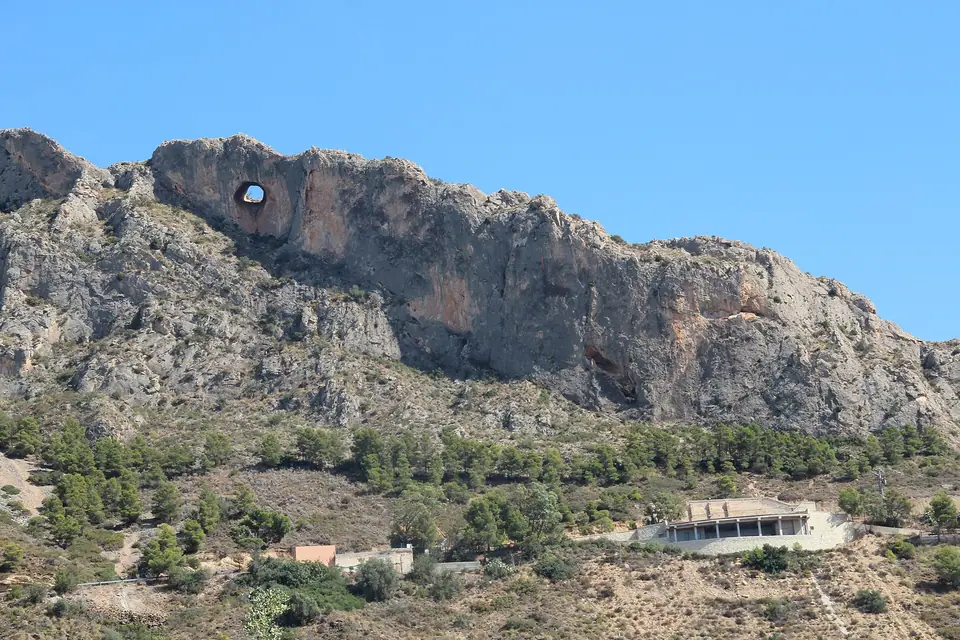
Canelobre Caves
A large cave at Busot with a vast dome and formations; the ticket includes the Ethnic Music Museum.
Google says closed on Mondays
Canelobre Caves and Busot museum from Alicante
A 2 h 50 min guided trip with pick-up near Alicante, covering the caves and museum, for 55 EUR.
Cueva de las Calaveras
A cave at Benidoleig with a walkable route of about 300-400 m, open every day.
Ajuntament de Callosa d'en Sarrià (Les Fonts de l'Algar)
Les Fonts de l'Algar: waterfalls and natural pools
A walking circuit beside the River Algar with waterfalls and pools, near Callosa d'en Sarrià.
Ajuntament d'Alacant / Ayuntamiento de Alicante
Alicante Central Market
Alicante's city-centre fresh market in an early-20th-century building, with fish, meat, fruit and local produce stalls.
Google says closed on Saturdays and Sundays
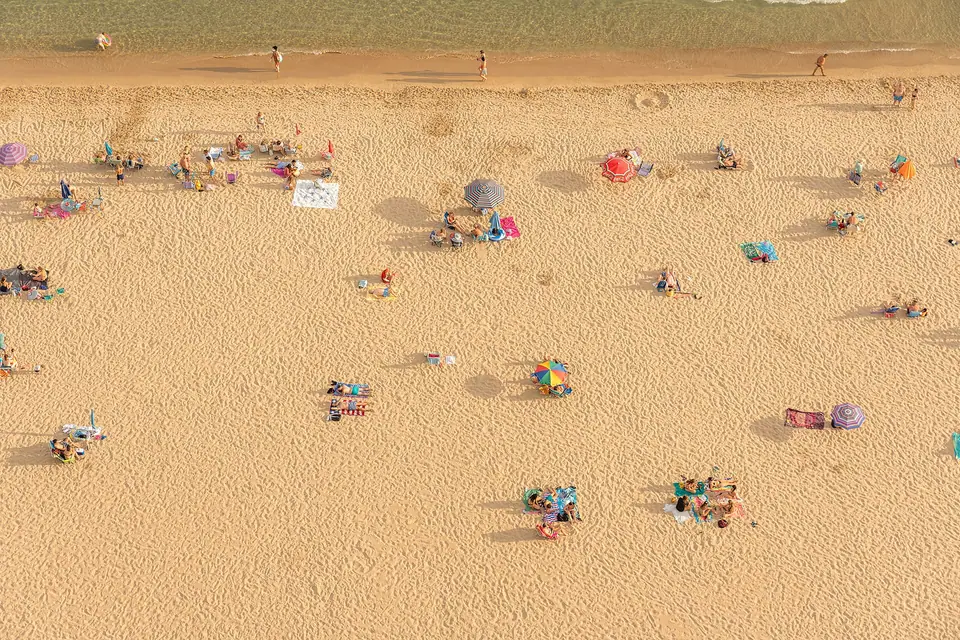
Chocolates Valor (Museo del Chocolate)
Valor Chocolate Museum: guided visit with tasting
A guided visit of about 45 minutes through Valor's history and machinery, ending with a chocolate tasting. Book online.
Google says closed on Sundays
Bodegas Xaló: guided visit, tasting and pairing
A 90-minute visit to a winery in the Jalón valley with a tasting of four wines, a mistela or vermouth and local products.
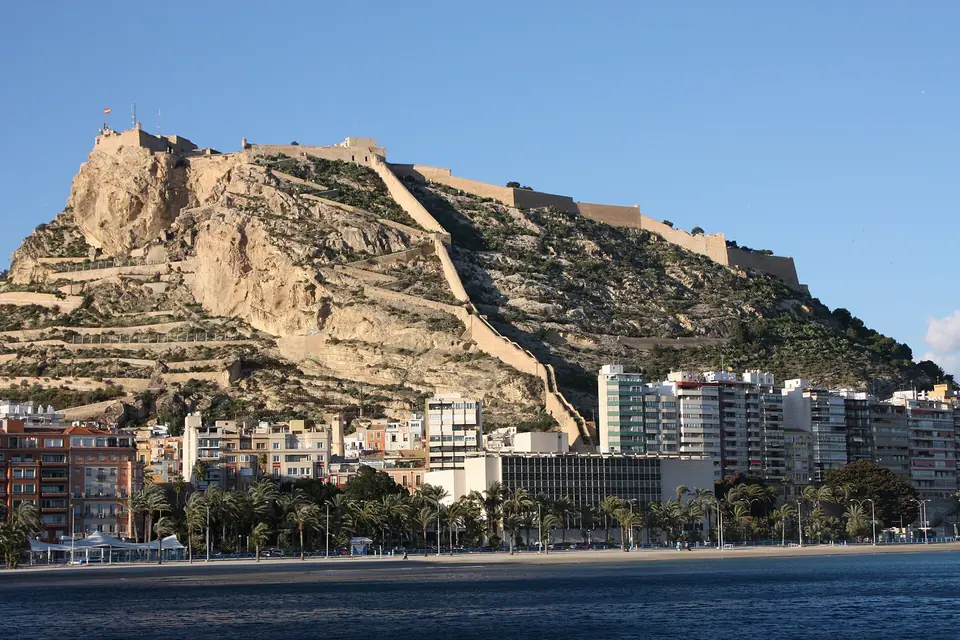
Xixona Turrón Museum and El Lobo & 1880 factory visit
Turrón museum in Xixona with a guided tour of the El Lobo and 1880 factories (June to November) and a tasting at the Casa 1880 shop.
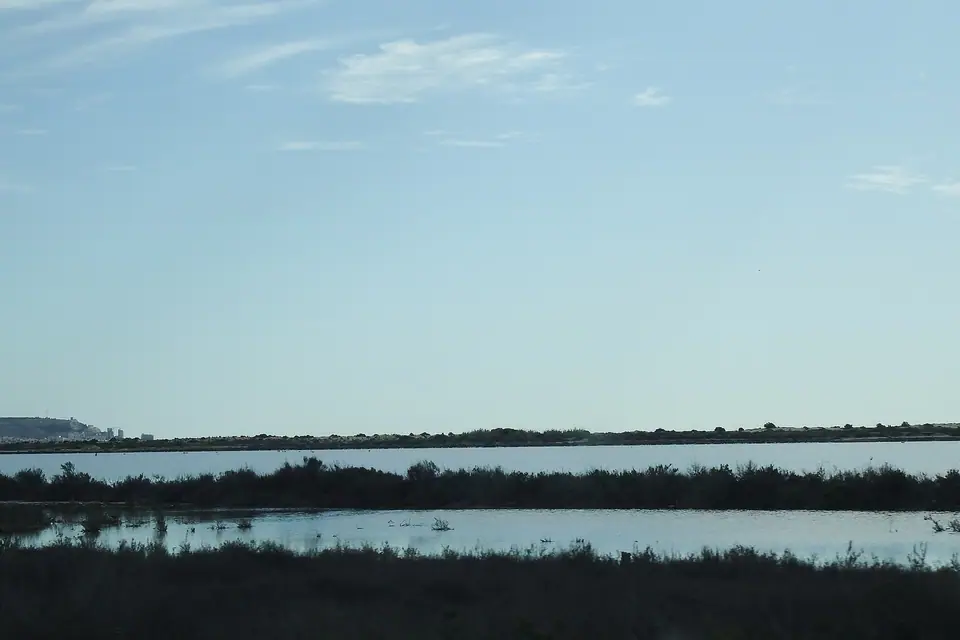
Generalitat Valenciana (Parques Naturales)
Santa Pola Salt Pans: flamingos and salt route
A wetland natural park near Santa Pola, with flamingos and a visitor centre at the Salt Museum.
Winter festivals
November opens with Benidorm's Main Patron-Saint Fiestas, honouring the Virgen del Sufragio and Saint James, on the second weekend of the month for five days (in 2026, roughly 6 to 11; the tourist-board dates are approximate). On 29 December Elche celebrates the Venida de la Virgen, a local holiday. In February Jávea holds the Mig Any of its Moors and Christians, halfway between two July fiestas (6 and 7 February in 2026; the date moves, so confirm it for 2027). And from 15 to 19 March Dénia holds its Fallas, with 11 falla committees.
Local festival dates change every year and some of our sources have medium or low reliability, so confirm the calendar with the town hall or tourist office before building a trip around one.
Huerto del Cura Garden (Elche Palmeral)
A historic garden inside the UNESCO World Heritage palm grove, with palms, cacti, an audio guide and the Imperial palm.
Dénia Castle and Archaeological Museum
A fortress above the town with the Municipal Archaeological Museum, harbour views and a guided visit included in the ticket.
Google says closed on Saturdays and Sundays
Practical tips for winter
Bring layers: with night lows of 6 to 10 °C and daytime highs of 17 to 20 °C you feel the difference, and on a boat or in the wind it is colder than on land. A light rain jacket is enough: 3 to 4 rainy days a month on average. Plan around the light: caves and museums work best at midday, and hikes first thing.
Many low-season times are not clearly published or come from third-party sources. Call or check the website before you go, especially for parks, boats, Tabarca (the island museum is listed as closed in one source: +34 965 960 175) and small attractions. For Tabarca from Alicante, times depend on the day of the week and are confirmed when you collect your ticket.
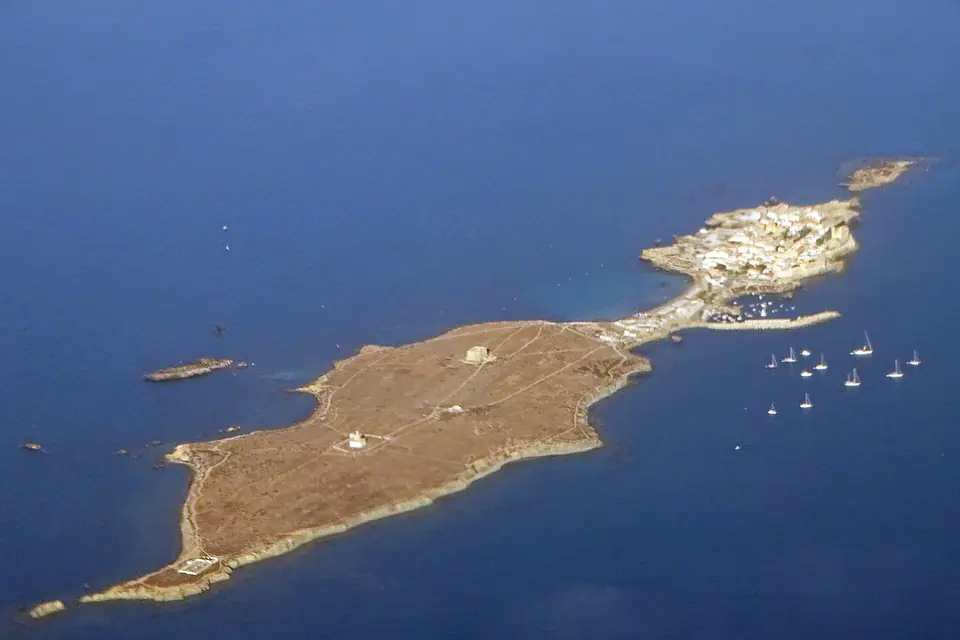
Ferry to Tabarca island from Alicante
Catamaran from Alicante harbour to Tabarca with a return ticket and free time on the island.
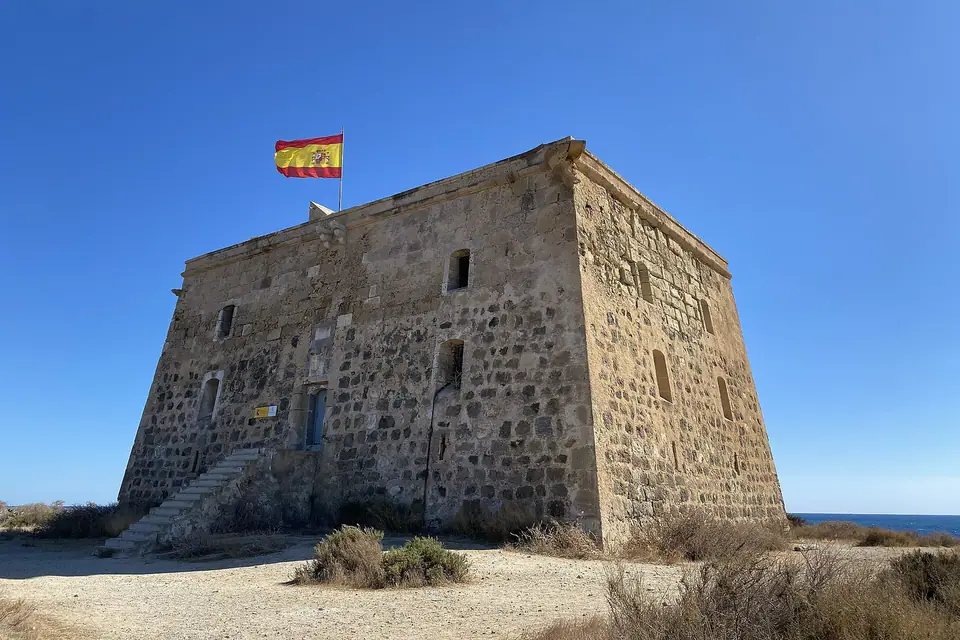
Ajuntament d'Alacant / Ayuntamiento de Alicante
Nueva Tabarca: the walled village and its museum
An eighteenth-century citadel with walls and gates, a church, a tower and a lighthouse, plus a municipal museum by the harbour.
Google says closed on Saturdays and Sundays
Frequently asked questions
What is the weather like on the Costa Blanca from November to March?
According to AEMET (Alicante, 1981-2010), the mean runs from 11.7 °C in January to 15.4 °C in November, with highs of 17.0 to 20.5 °C and 3.0 to 4.2 rainy days a month. March is the sunniest, with 227 hours of sun.
Can you swim in the sea in winter?
In November the sea is about 18.9 °C (NOAA, 1991-2020 average) and a short dip is possible. From December to March it drops to 14 to 16 °C, so you need a wetsuit.
Are the Benidorm parks open in winter?
Terra Natura opens only at weekends, on public holidays and over Christmas from November to March. The water parks close, and Terra Mítica and Mundomar follow a seasonal calendar. Río Safari, near Elche, opens daily.
What is there to do on the Costa Blanca when it rains?
Museums such as the MARQ or the MACA in Alicante, the Valor Chocolate Museum in Villajoyosa, a winery in Xaló, Alicante's Central Market or the Canelobre and Calaveras caves.
Can you climb the Peñón de Ifach in winter?
Yes, the route to the summit of the Penyal d'Ifac is a good option in mild temperatures, but daily numbers are limited and you must book. The last stretch has fixed ropes.
Are there festivals on the Costa Blanca in winter?
Yes: Benidorm's Main Fiestas (second weekend of November), the Venida de la Virgen in Elche (29 December), Jávea's Mig Any (February) and the Dénia Fallas (15 to 19 March). Confirm the dates each year.
Atlas Costa Blanca editorial team · reviewed on 22 November 2026
More guides
- Things to do in Benidorm: beaches, old town, parks and day trips
- Costa Blanca theme parks: which to choose, when they open and how to combine them
- Things to do on the Costa Blanca: 14 places from Dénia to Santa Pola
- Tabarca Island: how to get there from Alicante and Santa Pola, what to see and when
- Costa Blanca plans for rainy days
- Costa Blanca with kids: what to do
- Free or budget plans on the Costa Blanca
- Effortless plans on the Costa Blanca